
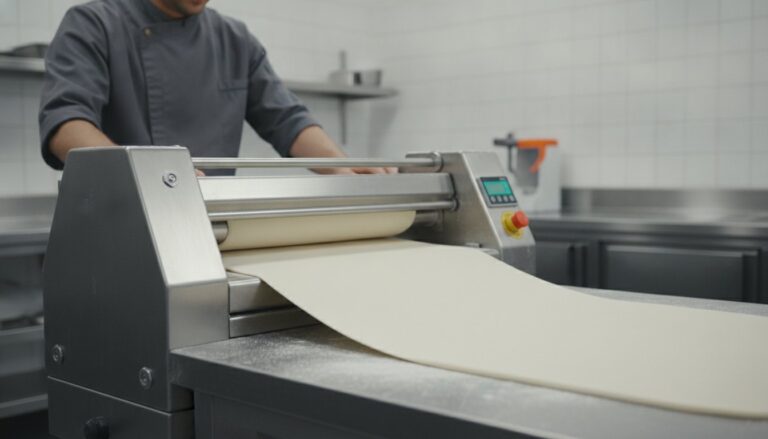
What if your most skilled baker didn’t have to spend four hours every morning with a rolling pin just to keep up with the breakfast rush? We know that in a bustling kitchen, consistency is the heartbeat of your reputation, but manual prep often leads to tired hands and uneven results. Investing in a high-quality commercial dough sheeter is the most effective way to reclaim your time while ensuring every pastry or pizza crust meets your exacting standards. It is about bringing a sense of seamless efficiency and southern hospitality back into your workspace.
Key Takeaways
- Discover how a commercial dough sheeter eliminates the inconsistency of manual rolling and drastically reduces labor costs in high-volume kitchens.
- Compare tabletop and floor models to find the perfect fit for your specific space constraints and daily production goals.
- Learn which roller materials and widths provide the best non-stick performance for your largest signature products.
- Stay ahead of 2026 safety regulations with essential maintenance protocols that protect both your staff and your equipment investment.
- Understand why pairing heavy-duty mixers with professional-grade sheeters creates a seamless workflow for artisan-quality results.
Why Your Kitchen Needs a Commercial Dough Sheeter in 2026
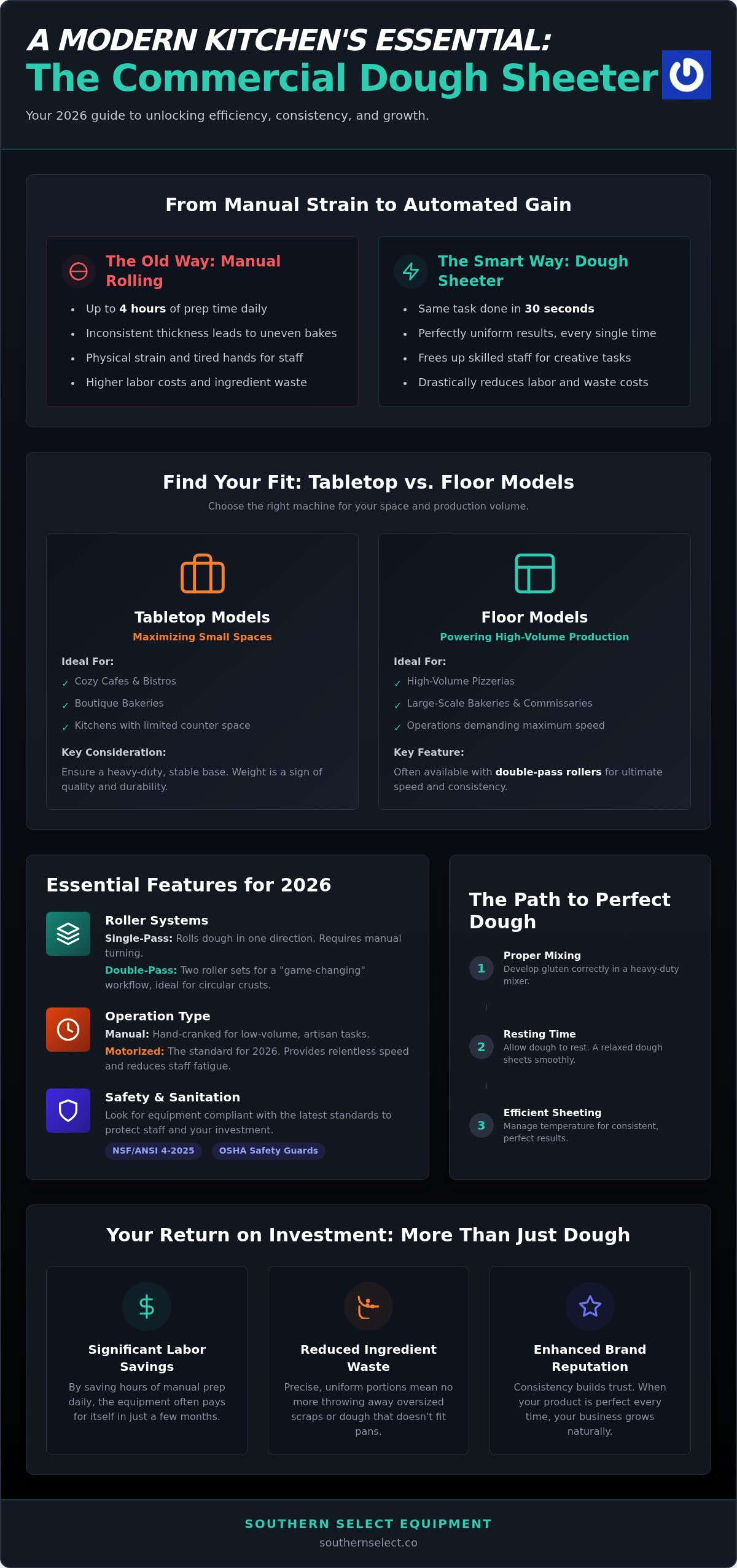
A commercial dough sheeter is much more than a convenience; it’s the backbone of a high-volume operation that values precision. At its core, this machine is a specialized tool that uses adjustable rollers to press dough into a perfectly uniform thickness every single time. While hand-tossing or manual rolling has its place in smaller settings, these methods introduce human error that can compromise your final product. When one side of a crust is thicker than the other, it results in uneven bakes, soggy centers, or burnt edges. Consistency is what keeps your neighbors coming back to your table, and a sheeter ensures that every guest receives the same high-quality experience.
Efficiency is the other side of the coin. Manual rolling can easily take a skilled staff member ten minutes for a single large batch. A professional sheeter handles that same task in about thirty seconds. This massive reduction in prep time allows your team to focus on hospitality and creative toppings rather than the physical strain of the rolling pin. It also opens doors to menu expansion. With a sheeter, you can effortlessly produce delicate pastries, consistent flatbreads, and specialty thin-crust pizzas that would otherwise be too labor-intensive to handle by hand.
From Mixer to Sheeter: The Workflow Connection
Successful sheeting starts long before the dough hits the rollers. It begins with proper gluten development in high-quality Hobart Mixers. If the dough isn’t mixed to the right consistency, it will tear or snap back under the pressure of the rollers. Temperature management is equally vital. Cold dough is often more stable but requires more passes, while room-temperature dough is more pliable but can become sticky. Always give your dough time to rest after mixing. A relaxed dough sheets smoothly and holds its shape, whereas a tight dough will resist the machine and shrink after it’s cut.
ROI Analysis: When Does a Sheeter Pay for Itself?
Efficiency translates directly to your bottom line in a modern restaurant kitchen. You can calculate your return by looking at labor hours saved per week. If you save five hours of manual labor every day, the equipment often pays for itself in just a few months. Beyond labor, you’ll see a noticeable reduction in ingredient waste. Precise portioning means you aren’t throwing away dough scraps or over-sized crusts that don’t fit your pans. Most importantly, uniform quality builds trust. When your product is perfect every time, your brand reputation grows naturally, ensuring long-term success for your business.
Comparing Types: Tabletop vs. Floor Model Dough Sheeters
Choosing the right commercial dough sheeter feels a lot like finding the right home for your business. It needs to fit your current space while providing enough room for your dreams to grow. The primary decision usually comes down to the footprint of the machine and how much dough you need to process during your busiest shifts. While both types achieve the same goal of uniform thickness, their mechanical configurations and throughput capacities vary significantly.
One detail often overlooked by standard guides is the difference between single-pass and double-pass roller systems. A single-pass machine rolls the dough in one direction. To get a cross-grain stretch, your staff must manually turn the dough and feed it through a second time. A double-pass machine features two sets of rollers, often positioned at a right angle. This allows the dough to be flattened and then immediately widened by the second set of rollers without human intervention. For high-volume pizzerias aiming for a perfect circular crust, the double-pass system is a game changer for speed and consistency.
You also need to weigh the benefits of manual versus automatic operation. Hand-cranked models offer a tactile, artisan feel and work well for low-volume specialty items. However, for the demands of 2026, motorized units are the standard. They provide the steady, relentless speed required to keep up with a heavy lunch or dinner rush without fatiguing your prep team.
Tabletop Models: Maximizing Small Spaces
Tabletop units are the ideal solution for cozy cafes, boutique bakeries, or coastal bistros where every square inch of counter space is precious. Don’t let the smaller size fool you; a quality tabletop unit should still have a heavy-duty base. Weight is actually a sign of quality here, as it prevents the machine from “walking” across the counter during operation. Many modern designs include foldable wings, which allow you to reclaim your workspace once the morning prep is finished. These units typically handle smaller batches and are perfect for rolling out individual pizza skins or pastry sheets.
Floor Models: The High-Volume Workhorse
If you are managing an industrial-scale bakery or a high-traffic pizzeria, a floor model is your best partner. These machines are built for continuous operation and often feature integrated conveyor belts that move dough through the rollers with seamless precision. When selecting a floor model, prioritize motor horsepower. Stiff doughs, such as those used for bagels or traditional thin-crust pizza, require a robust motor that won’t stall under pressure. Selecting professional-grade restaurant equipment ensures you get a machine built with durable stainless steel components rather than plastic parts that might fail during a peak season.
Essential Features for High-Volume Dough Production
When you’re standing in the middle of a Friday night rush, you need equipment that feels like an extension of your own hands. Choosing a commercial dough sheeter isn’t just about the price tag; it’s about the technical specifications that determine whether your kitchen stays ahead or falls behind. The roller width is your first consideration. If you plan to serve a signature 20-inch family pizza, your machine must accommodate that width with room to spare. Diameter also plays a quiet but critical role. Larger rollers apply pressure more gradually, which protects the delicate air bubbles in your dough and prevents it from becoming tough or dense.
Material choices define your daily experience with the machine. Chrome-plated stainless steel rollers are the gold standard for durability and offer a classic, professional look. However, many modern kitchens prefer high-density synthetic rollers because they provide superior non-stick performance without needing excessive flour. This keeps your workspace cleaner and prevents the dough from absorbing too much extra flour, which can change the bake quality. Precision is equally vital. Look for machines with indexed adjustment settings. These allow you to click into specific thicknesses with total repeatability, ensuring your thin-crust is just as thin on Tuesday as it was on Saturday.
Don’t overlook the motor. An under-powered machine might work fine for the occasional pie, but it will struggle when processing hundreds of pounds of stiff dough. Professional-grade motors are designed to run cool even during continuous operation, protecting your investment from burnout during those peak hours when your neighbors are counting on you most.
Scrapers and Dough Release Mechanisms
High-quality scrapers are the unsung heroes of a smooth workflow. They sit against the rollers to prevent dough from sticking or wrapping around the mechanism. This is especially important for high-hydration doughs that tend to be more tacky. Additionally, the specific texture of the rollers can help or hinder dough release; a slight matte finish often works better for wetter doughs. Look for scrapers that are easy to remove without tools. This simplifies your end-of-shift cleaning and ensures you can maintain the highest sanitation standards without a headache.
Conveyor Belt Quality and Speed
The belt carries your product through its transformation. While cotton belts were once common, synthetic belts are now the preferred choice for 2026 due to their durability and ease of sanitation. Variable speed controls allow you to slow down for delicate pastry work or speed up for high-volume pizza skins. Additionally, reverse action features allow you to pass the dough back and forth through the rollers without lifting it. This creates a seamless, multi-pass process that saves your staff’s backs and your kitchen’s time.
Maintenance and Safety: Protecting Your Investment
Protecting your team is just as vital as protecting your equipment. In a busy kitchen, your commercial dough sheeter is a powerful tool, but it requires a commitment to safety and regular care to remain a reliable asset. Keeping your machinery in peak condition ensures that your staff stays safe and your production never skips a beat. Currently, meeting the NSF/ANSI 4-2025 sanitation standards is essential for any professional operation. These regulations focus on food protection and the use of materials that are easy to sanitize, ensuring your kitchen remains compliant with 2026 health department codes.
Daily maintenance starts with a simple cleaning protocol. You must remove flour dust and dough scraps every evening to prevent unnecessary motor strain. Along with cleaning, you’ll need to monitor lubrication points and belt tension. A belt that’s too loose will slip, while one that’s too tight can damage bearings. If you’re looking for guidance on choosing the right model for your space, our team at Southern Select is here to help you find the perfect commercial restaurant equipment for your kitchen.
The Danger of Flour Dust: Prevention and Care
Flour dust is the silent enemy of kitchen machinery. Over time, fine particles find their way into motors and bearings, acting as an abrasive that causes premature wear and eventual failure. To combat this, prioritize machines with sealed motor compartments. This feature significantly extends the life of your unit by keeping internal components clean. When cleaning, avoid using only damp cloths, which can turn dust into a sticky paste. Instead, use compressed air to blow out dry flour from tight crevices before wiping down the exterior with a food-safe sanitizer.
OSHA Compliance in the Modern Kitchen
Safety interlock switches are non-negotiable for 2026. These sensors automatically cut power to the rollers if a guard is lifted, preventing accidental injuries. Staff training is your best defense; ensure every team member knows how to use the emergency stop button and understands the machine’s limits. Regarding the layout of your prep area, you must maintain a clear safety zone. The safety zone is the designated area around the rollers where physical barriers or electronic sensors prevent human contact with moving parts during operation. Adhering to these standards keeps your kitchen running smoothly and your staff in good hands.
Sourcing Quality: Why Professionals Choose Southern Select Equipment
Choosing the right partner for your kitchen is just as important as choosing the equipment itself. At Southern Select, we act as your trusted local guide, even when sourcing for national operations. We provide a curated inventory of heavy-duty commercial restaurant equipment that’s built to withstand the relentless pace of a high-volume pizzeria. Our team focuses on durability because we know that a mid-shift breakdown is more than just a mechanical failure; it’s a disruption to your hospitality and your bottom line. We want you to feel like you’re in capable hands from the moment you browse our selection.
We prioritize industry-leading brands like Hobart and XLT because they share our commitment to excellence. While a generic commercial dough sheeter might look the part, professional-grade machines from these manufacturers are engineered for longevity. One of the most common mistakes we see is a business opting for “residential-grade” or light-duty tools that simply can’t handle the production demands of 2026. We help you avoid those costly errors by providing expert sourcing that matches the machine to your specific output needs. Our approach combines national reach with the warm, neighborly service you expect from a partner invested in your long-term success.
Building a High-Efficiency Prep Station
A sheeter doesn’t work in isolation. To create a truly seamless workflow, you need to integrate your commercial dough sheeter with high-performance commercial refrigerators for proper dough retarding. Cold fermentation is the secret to artisan flavor, and having your refrigeration units placed strategically near your sheeting station reduces unnecessary movement in the kitchen. We also emphasize the importance of heavy-duty stainless steel prep tables to provide a stable, sanitary surface for your dough sheets. Southern Select is here to guide you through the full equipment lifecycle, from the initial layout to long-term reliability.
Ready to Upgrade Your Dough Production?
Your kitchen deserves tools that work as hard as you do. If you’re ready to move beyond manual rolling and embrace the precision of automated sheeting, our experts are standing by to help. We offer personalized consultations to ensure you select the machinery that fits your space, budget, and volume goals. Our commitment is simple: we only provide the most durable, professional-grade machinery that we’d be proud to feature in our own community. Explore our professional equipment inventory today and see how we can help you scale your kitchen for success.
Scaling Your Success with Precision Prep
As your kitchen grows, the transition from manual labor to automated precision is a vital step toward long-term profitability. By selecting the right commercial dough sheeter, you aren’t just buying a machine; you’re investing in the consistency of your product and the well-being of your staff. We have explored how matching roller width to your signature bakes and adhering to 2026 safety standards creates a foundation for a high-efficiency workspace that can handle the busiest shifts with ease.
At Southern Select, we take pride in being more than just an equipment supplier. We’re a family-owned business with decades of hospitality experience, specializing in high-volume tools from top-tier brands like Hobart and XLT. Whether you are operating locally or across the country, our national shipping ensures you have access to the most durable machinery available. Ready to transform your production line? Upgrade your kitchen with professional-grade prep equipment from Southern Select. We are here to ensure your operation remains in capable, friendly hands, helping you deliver the quality your neighbors love with every single slice.
Frequently Asked Questions
Can a commercial dough sheeter handle gluten-free dough?
Yes, but you must account for the unique texture of gluten-free recipes. These doughs lack the elastic structure of wheat and are often much stickier or more fragile. Using a machine with synthetic rollers and keeping the dough well-chilled will help prevent sticking. It’s also vital to clean the unit thoroughly between batches to prevent cross-contamination if you offer traditional options.
What is the difference between a dough sheeter and a dough press?
A sheeter uses adjustable rollers to gradually thin the dough, while a press uses heavy plates and sometimes heat to flatten it instantly. Sheeters are preferred for artisan crusts and pastries because they preserve the delicate internal air structure. Presses are faster for high-speed production, but they can compress the dough too much, leading to a denser final bake.
How often should I replace the scrapers on my sheeter?
You should inspect your scrapers daily and plan to replace them every 6 to 12 months depending on your production volume. If you notice dough buildup on the rollers or visible tearing during the sheeting process, it’s likely the scrapers are worn or nicked. Keeping these components in top shape is one of the easiest ways to prevent motor strain and maintain quality.
Is a single-pass or double-pass sheeter better for pizza dough?
A double-pass commercial dough sheeter is almost always the better choice for busy pizzerias. It features two sets of rollers that stretch the dough in two different directions, helping you achieve a perfect circular shape with minimal effort. Single-pass models require your staff to manually rotate and re-feed the dough, which adds significant labor time during a heavy dinner rush.
Do I need a special electrical connection for a floor model sheeter?
Most heavy-duty floor models require a 208V or 240V three-phase connection to handle the demands of continuous operation. While some smaller tabletop units run on standard 120V power, industrial-scale machines need the extra torque provided by higher voltage. Always check the specific NEMA plug requirements for your chosen model before your equipment arrives to ensure your kitchen’s wiring is ready.
Can I use a dough sheeter for puff pastry and croissants?
Yes, reversible sheeters are the industry standard for creating laminated doughs like puff pastry and croissants. These machines allow you to pass the dough back and forth through the rollers while gradually narrowing the gap. This precision ensures the delicate layers of butter remain intact, resulting in the flaky, professional texture that defines high-end bakery products and keeps your guests coming back.
What are the most common causes of dough tearing during sheeting?
Tearing is usually caused by cold dough or insufficient resting time after mixing. If the gluten is too tight, the dough will resist the rollers and snap under pressure. Additionally, worn scrapers or a lack of dusting flour can cause the dough to stick to the rollers and pull apart. Always ensure your dough has relaxed properly after coming out of your mixer for the smoothest results.
How do I determine the right roller width for my bakery’s needs?
You should choose a commercial dough sheeter with a roller width that is at least two inches wider than your largest signature product. For example, if you serve a 20-inch family pizza, you’ll need at least 22-inch rollers to allow for natural dough expansion. Selecting a width that is too narrow forces your team to finish the edges by hand, which wastes time and compromises consistency.