
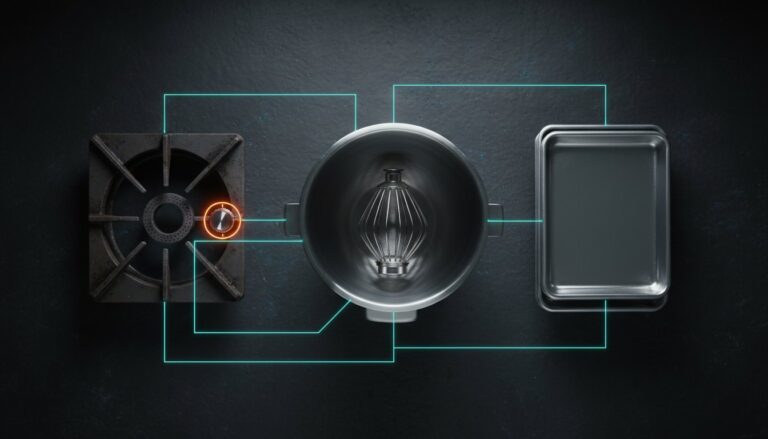
Mastering the complexities of professional kitchen procurement can feel overwhelming. This guide offers expert insights on selecting high-volume machinery, choosing the right brands, and sourcing equipment cost-effectively, ensuring your kitchen is built not just to operate, but to succeed under pressure.
What is Commercial Restaurant Equipment and Why Does it Matter?
Commercial restaurant equipment is machinery specifically designed, built, and certified for continuous, high-volume use in professional food service environments. Unlike the appliances in your home kitchen, this equipment is engineered for durability, performance, and safety under the rigorous demands of daily service. Its role is to maximize your kitchen’s throughput—the speed and volume at which you can produce orders, which directly impacts your restaurant’s bottom line.
Key characteristics include:
- Robust Construction: Built with materials like heavy-gauge stainless steel for longevity.
- High-Power Performance: Equipped with powerful motors and heating elements for constant use.
- Safety Certifications: Adherence to standards like those from the NSF (National Sanitation Foundation) for health code compliance.
Commercial vs. Residential: The Critical Differences
Attempting to run a professional kitchen with residential appliances is a recipe for failure. The differences are not just about size; they are fundamental to safety, durability, and compliance.
- Operational Demands: A home oven isn’t built to run for 12 consecutive hours, but a commercial convection or conveyor oven is. Residential motors burn out, and insulation fails under constant heat.
- Safety and Ventilation: Commercial equipment has specific fire ratings and requires professional ventilation systems (hoods) to manage heat, smoke, and grease-laden vapors, a critical safety requirement that residential units lack.
- Power Requirements: Heavy-duty machines like large mixers or ovens often require 3-phase electrical connections, which provide more stable and powerful current than the standard single-phase power found in homes.
The Role of Durability in Professional Kitchens
In a commercial kitchen, equipment failure during a dinner rush means lost revenue and a damaged reputation. Durability is a non-negotiable investment.
- Superior Materials: Stainless steel construction is the industry standard because it resists corrosion from cleaning chemicals and food acids, prevents bacterial growth, and withstands constant use.
- Long-Term ROI: While economy models may have a lower upfront cost, heavy-duty brands like Hobart and XLT deliver a superior return on investment through lower repair costs, longer lifespans, and consistent performance.
- The 10-Hour Rule: At its core, ‘commercial-grade’ means the equipment is designed, tested, and proven to operate flawlessly for 10 or more hours every single day.
The Heavy Hitters: Essential Equipment for High-Volume Operations
While every kitchen is unique, a few pieces of equipment form the backbone of nearly every high-volume operation: ovens, mixers, and refrigeration units. For specialized industries like pizza and baking, certain brands have become synonymous with reliability and throughput. Industry leaders like XLT and EDGE dominate the high-volume pizza world with their conveyor ovens, while Hobart mixers remain the gold standard for consistent dough production. These are complemented by commercial refrigeration designed to maintain strict food safety temperatures even when doors are constantly opening and closing.
Conveyor Ovens: The Secret to High-Volume Pizza Success
For any restaurant focused on volume, consistency is king. Conveyor ovens are the key to achieving a perfect, repeatable result every time, eliminating the guesswork and manual labor associated with traditional deck ovens.
- Unmatched Consistency: Brands like XLT and Lincoln Impinger use a conveyor belt to move food through a temperature-controlled chamber, ensuring identical bake times without any need for manual rotation.
- Utility Flexibility: These ovens are available in both gas and electric models, allowing you to choose the most cost-effective option based on your local utility setup.
- Modern Efficiency: Newer models, such as those from EDGE, are engineered for greater energy efficiency, helping to reduce operational costs in 2026 and beyond.
Why Hobart Mixers Remain the Industry Standard
A Hobart mixer is often a lifetime investment for a bakery or pizzeria. Their reputation for indestructibility is built on superior engineering and a refusal to compromise on quality.
- Gear-Driven Power: Unlike many belt-driven alternatives that can slip or break under heavy loads, Hobart mixers feature a gear-driven transmission that delivers consistent, reliable torque directly to the bowl. This is essential for mixing dense doughs day after day.
- Sized for Your Volume: Hobart mixers come in a range of sizes to match your exact needs, from smaller 20-quart models for boutique shops to massive 80-quart units for commercial commissaries.
- A Proven Workhorse: Their legendary durability makes them a prime candidate for the used equipment market, where a well-maintained unit can provide decades of service.
Need help finding the right size? Explore our guide to a Hobart Mixer for Sale Texas.
Commercial Refrigeration and Freezing Solutions
Proper food storage is the foundation of kitchen safety and efficiency. Commercial refrigeration is engineered for one primary purpose: rapid temperature recovery in a demanding environment.
- Types of Units: A complete kitchen line often includes a mix of reach-in coolers for easy access, walk-in coolers for bulk storage, and refrigerated prep tables that keep ingredients safely chilled at the point of use.
- Temperature Stability: The powerful compressors in commercial units ensure that temperatures return to safe levels quickly after the door has been opened, protecting your inventory during the busiest shifts.
- Curated for Professionals: At Southern Select, we source top-tier refrigeration solutions built specifically for the demanding needs of the professional hospitality industry.
New vs. Used Equipment: Making the Strategic Choice
The number one objection for many new restaurant owners is the high initial capital expenditure for brand-new machinery. This is where a strategic approach to sourcing used equipment can be a game-changer. While new equipment has its place, high-quality, pre-owned units from reputable liquidators can preserve capital without sacrificing the performance your kitchen demands. The key is knowing when to buy new and when to leverage the value of pre-owned.
The Benefits of High-Quality Used Equipment
Purchasing used doesn’t have to mean sacrificing reliability. When sourced correctly, it’s a savvy business decision that offers significant advantages.
- Access to Elite Brands: Professional liquidations provide an opportunity to acquire top-tier brands like Hobart and XLT at a fraction of their original cost, putting the best equipment within reach of smaller budgets.
- Avoid Initial Depreciation: Just like a new car, commercial equipment takes its biggest depreciation hit in the first year. Buying used lets you bypass that initial loss in value.
- Proven Reliability: We put every piece of used equipment through a rigorous inspection and testing process, ensuring that the mixers, ovens, and coolers we sell are ready for the frontline.
Discover the value for yourself by browsing our Used Restaurant Equipment Quitman TX inventory.
When New Equipment is the Right Investment
Despite the value of used equipment, there are specific scenarios where investing in a new unit is the most strategic choice.
- Cutting-Edge Technology: If you need the absolute latest in energy-saving features or smart technology, new is often the only way to get it.
- Full Manufacturer’s Warranty: For mission-critical equipment where you want the peace of mind of a full, multi-year manufacturer’s warranty, a new purchase is essential.
- Financing Opportunities: New equipment purchases often come with more attractive financing options directly from the manufacturer or dealer, which can help manage cash flow.
How to Evaluate and Choose the Right Equipment for Your Menu
Choosing the right equipment starts with a deep analysis of your menu, volume, and physical space. For a comprehensive approach to equipping a high-volume commercial kitchen, follow these steps to create a checklist for your procurement process.
- Analyze Peak-Hour Volume: Determine the maximum number of dishes you need to produce during your busiest hour. This will dictate the required oven capacity, mixer size, and BTU output of your ranges.
- Measure Your Kitchen Footprint: Carefully measure your available space. Ensure you account for not only the equipment’s dimensions but also the necessary clearance for ventilation, cleaning, and safe staff movement.
- Verify Utility Connections: Confirm you have the correct utility hookups in the right places. This includes high-capacity gas lines, water filtration systems, and specialized 3-phase electrical outlets.
- Check for Certifications: Look for the NSF mark for sanitation and the UL (Underwriters Laboratories) seal for electrical and gas safety. These are non-negotiable for passing health and safety inspections.
- Research Brand Reputation: Choose brands known for reliability and easy access to parts and local service technicians. A broken machine is useless if you have to wait weeks for a replacement part.
Capacity Planning and Throughput Analysis
Undersizing your equipment is one of the most common and costly mistakes a new restaurant can make. It leads to bottlenecks, slow service, and premature mechanical failure.
- Calculate Your Needs: How many pizzas must you bake per hour? How many pounds of dough do you need to mix daily? Answering these questions will guide you to the right-sized machine.
- Plan for Growth: It’s often wise to invest in equipment that slightly exceeds your current needs to accommodate future growth without requiring a complete overhaul.
- Understand Key Metrics: Familiarize yourself with terms like BTU (British Thermal Unit), a measure of heat output that is critical for determining the power of commercial ranges and fryers.
Deck Oven vs. Conveyor Oven Throughput
| Feature | Deck Oven | Conveyor Oven (e.g., XLT) |
|---|---|---|
| Pizzas/Hour (Approx.) | 20-30 | 100-150+ |
| Labor Required | High (Requires turning) | Low (Set and forget) |
| Consistency | Variable (Depends on user) | Extremely High |
| Best For | Artisan, low-volume | High-volume, delivery, QSR |
Space Optimization and Kitchen Flow
A well-designed kitchen is a profitable kitchen. The placement of your equipment should create logical work zones that maximize efficiency and minimize wasted steps. When planning your commercial kitchen layout and equipment selection, consider these essential factors:
- Establish Work Zones: Group equipment logically for prep, cooking, and cleaning stations to create a smooth, assembly-line-style workflow.
- Think Vertically: Use equipment stands with undershelves and tall speed racks to maximize vertical storage in smaller kitchens.
- Prioritize Ventilation: Ensure your ventilation hood is properly sized for the heat and smoke load of all the cooking equipment beneath it. This is a critical safety and compliance issue.
Southern Select: Your Trusted Guide in Restaurant Equipment
In a market filled with impersonal transactions, Southern Select stands apart. We are a family-owned business with deep roots in Texas hospitality, and we bring that same commitment to every client we serve. We aren’t just selling equipment; we’re providing the expertly curated, reliable foundation your restaurant needs to thrive. The "Select" in our name is our promise: we only offer the most durable and trusted brands in the commercial kitchen industry. From our home base in Quitman, we ship these high-performance machines to high-volume kitchens across the nation.
Expertise You Can Trust
Our history in restaurant liquidations has given us a unique eye for quality and durability. We know what lasts and what doesn’t.
- A Curated Inventory: We specialize in the brands we know and trust, like XLT, EDGE, and Hobart, so you can be confident you’re investing in reliability.
- Personalized Guidance: We take a hands-on, consultative approach, helping you find the precise oven or mixer that fits your menu, volume, and budget.
- Texas Support, National Reach: You get the reliability of our Texas-based expertise and support, no matter where your kitchen is located.
Ready to Scale Your Kitchen?
The journey from a concept to a thriving, high-volume restaurant is built on a foundation of smart decisions and reliable machinery. By focusing on durability, planning for your peak-hour needs, and making strategic choices between new and used equipment, you can achieve operational excellence. For a complete overview of sourcing professional restaurant supplies that will support your operation for years to come, consider both equipment and the essential tools that keep your kitchen running smoothly.
Ready to find the heavy hitters for your kitchen?
- Start by choosing the right machinery for your core menu items.
- Invest in brands known for long-term reliability.
- Partner with an expert who understands your operational challenges.
Explore our current inventory of professional restaurant equipment.
Frequently Asked Questions
What is the most important piece of equipment in a commercial kitchen?
This depends on your menu, but for most restaurants, high-quality refrigeration is the most critical piece. Without reliable, safe food storage, no other kitchen function is possible. For pizzerias, the oven is equally vital.
Is it better to buy new or used commercial restaurant equipment?
It depends on the equipment and your budget. High-quality used equipment from a reputable dealer offers incredible value, especially for durable, mechanical items like Hobart mixers. New equipment is often better for highly technical items or when a full manufacturer’s warranty is a priority.
What does NSF certified mean for restaurant equipment?
NSF (National Sanitation Foundation) certification means the equipment has been tested and approved to meet strict standards for public health and safety. It ensures the materials are non-toxic, the unit is easy to clean and sanitize, and it performs as advertised, which is a requirement for most local health departments.
How do I know if my kitchen needs a 3-phase electrical connection?
Large, high-power equipment like conveyor ovens, walk-in cooler compressors, and 60-quart or larger mixers typically require a 3-phase connection. Always check the manufacturer’s spec sheet for the equipment you plan to buy and consult with a licensed electrician.
Can I use residential refrigerators in a commercial kitchen?
No. It is unsafe, inefficient, and will likely violate your local health codes. Residential refrigerators are not designed to handle the constant opening and closing of a commercial environment and cannot recover temperature quickly enough to keep food in the safe zone.
What brands are best for high-volume pizza production?
For conveyor ovens, XLT, Lincoln Impinger, and EDGE are the undisputed industry leaders, prized for their consistency, speed, and reliability in high-volume settings.
How often should I perform maintenance on my Hobart mixer?
Daily cleaning is essential. For mechanical maintenance, it’s recommended to have the oil level and transmission checked by a professional at least once a year to ensure its longevity.
Does Southern Select ship commercial equipment nationally?
Yes. From our headquarters in Quitman, Texas, we facilitate the shipping of heavy-duty commercial restaurant equipment to kitchens across the United States.