
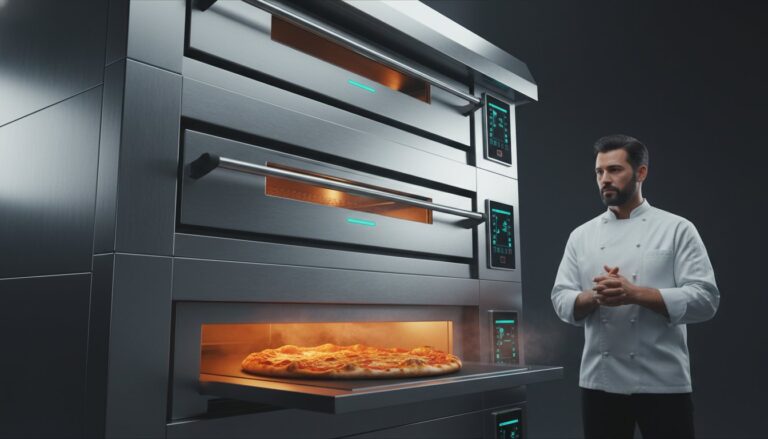
What if your most reliable kitchen hand never took a day off and delivered a perfect bake every single time? In the bustling heart of a Gulf Coast kitchen, you know that a 15 minute delay during a Friday night rush can cost you more than just a single table’s tip. It’s a high-stakes environment where inconsistent quality and rising labor costs, which jumped by 12% for many regional operators last year, can threaten the hospitality you’ve worked so hard to build. You’ve likely felt the frustration of watching energy costs climb while open-door ovens bleed heat into an already humid workspace. Integrating modern Conveyor Ovens into your line offers a seamless solution that honors your commitment to excellence.
We’re here to show you how expert impingement technology can transform your output by 35% while maintaining the integrity of your menu. You’ll learn how to achieve a true set-it-and-forget-it workflow that empowers your staff and delights your guests. This guide provides a detailed look at the 2026 innovations that make a Select level of consistency possible for every high-volume kitchen.
Key Takeaways
- Reclaim your team’s time and eliminate “oven tending” by transitioning to a more efficient, automated production flow.
- Master the science of impingement technology to ensure a perfectly consistent bake that honors your culinary standards.
- Identify whether gas or electric Conveyor Ovens are the most cost-effective choice for your specific utility infrastructure and volume needs.
- Discover how to evaluate critical features like belt width and chamber length to maximize your kitchen’s hourly throughput.
- Benefit from our expert curation of industry-leading brands that provide the reliability and long-term partnership your business deserves.
What is a Conveyor Oven? Redefining High-Volume Production
A conveyor oven is a professional-grade heating platform that moves food through a heated chamber at a strictly controlled speed. This technology falls under the broader category of Industrial Ovens, providing a continuous cooking process that eliminates the variability of manual placement. For your kitchen, this means every pizza, sandwich, or tray of appetizers receives the exact same thermal treatment without a chef ever needing to manually rotate a pan or check the bottom of a crust. It is the gold standard for kitchens where precision meets pace.
The primary advantage of modern Conveyor Ovens is the complete elimination of oven tending. When your staff isn’t tethered to a timer, they’re free to focus on the art of prep and the warmth of guest service. By 2026, digital controls have advanced to allow for multi-product presets, meaning a single belt can handle diverse menus with 99.9% consistency. It’s a seamless solution for high-volume operations like 500-seat catering halls or local pizza shops processing 80 orders per hour. You’ll find these units essential for maintaining quality when the dining room is at 100% capacity and the pressure is on.
The Evolution of Commercial Baking
Traditional deck ovens once required constant vigilance and high-level skill to manage hot spots. Since the 2024 labor shifts that saw a 15% reduction in available skilled line cooks, automation has become a necessity rather than a luxury. Modern Conveyor Ovens support a hospitable kitchen environment by lowering the ambient temperature and reducing the frantic pace of the rush. You aren’t just buying a machine; you’re investing in a calmer, more efficient team culture that can handle 200 more covers a week without burnout.
Why ‘Select’ Equipment Matters for Your Workflow
Don’t confuse these heavy-duty machines with residential-style toasters. A professional unit is built for 16-hour workdays and the relentless humidity of a Gulf Coast summer. At Southern Select, we prioritize brands that focus on throughput and long-term durability. There is a profound psychological benefit for your crew when they know every item will emerge looking identical. This reliability builds the integrity of your brand, ensuring that the last guest of the night receives the same premium experience as the very first order of the day.
How Impingement Technology Works: The Science of the Perfect Bake
Impingement is the targeted use of pressurized air to accelerate heat transfer without burning. This sophisticated process relies on high-velocity jets of hot air that strike the surface of the food as it moves through the chamber. When cold food enters an oven, it’s naturally insulated by a “cold boundary layer,” a thin pocket of stagnant air that slows down the cooking process. Impingement technology aggressively strips this layer away, allowing heat to penetrate the food immediately. The result is a dramatic increase in efficiency, with modern Conveyor Ovens baking products up to 2-4 times faster than traditional radiant heat equipment.
Impingement vs. Radiant Heat
While radiant heat from traditional deck ovens has served kitchens for decades, it often leads to significant moisture loss because the food must remain in the chamber much longer. Data indicates that radiant heat can result in 15% more dehydration in dough and proteins compared to air impingement. Impingement solves this by sealing the exterior of the food almost instantly, which locks in internal moisture while creating a crisp, golden crumb. This precision is achieved through “fingers,” which are specialized air ducts located above and below the conveyor belt. These fingers allow operators to customize the airflow for specific menu items, ensuring a perfectly toasted top without a burnt bottom. Selecting equipment that adheres to ENERGY STAR efficiency standards ensures this power doesn’t come at the cost of your utility bill, as these 2026 models often reduce heat waste by 10% or more.
Precision Control: Speed and Temperature
Modern kitchen management requires more than just raw heat; it requires the kind of precision that ensures consistency across every shift. The relationship between belt speed and temperature is the secret to a diverse, high-volume menu. In 2026 models, advanced digital controllers provide up to 50 unique recipe presets, allowing staff to switch from baking a delicate thin-crust pizza at 500 degrees to toasting a hearty sub sandwich in a matter of seconds. These presets manage the exact duration a product spends under the impingement jets, eliminating human error during the busiest lunch rushes. This level of control offers the reassurance that every guest receives a meal prepared with integrity and care. If you want to explore how these tools can enhance your local hospitality experience, choosing the right configuration is your first step toward a more seamless, professional operation.
Comparing Gas vs. Electric Conveyor Ovens for Your Kitchen
Deciding between gas and electric power for your Conveyor Ovens is a pivotal choice that shapes your kitchen’s daily flow. This decision usually begins with your building’s infrastructure. If you’re setting up shop in a coastal development or a renovated historic district, the cost to run new gas lines can exceed $5,000 before you even purchase the equipment. You have to weigh these initial setup fees against the long term savings that different energy sources provide. We want to ensure you feel confident in a choice that supports your business for years to come.
Gas Conveyor Ovens: The High-Volume Workhorse
Gas remains the preferred choice for 65% of high-volume pizza shops because of its raw power and efficiency. Whether you choose natural gas or liquid propane, these units are built for the heavy lifting of a 200-order Friday night. Gas burners offer a 20% faster heat recovery time than older electric models. This means your crust stays crisp even when you’re loading the belt continuously. Maintenance requires a steady hand; you’ll need to schedule professional cleanings for burner orifices and pilot assemblies every six months to prevent soot buildup. This proactive care keeps your kitchen running with the reliability your community expects.
Electric Conveyor Ovens: Versatility and Ease
Electric models have seen a massive leap in performance. Modern units utilize air impingement technology to wrap food in high-velocity heated air, which effectively closed the performance gap with gas in 2024. These are the perfect fit for small cafes or kiosks where complex ventilation and gas piping aren’t an option. They offer a level of precision that’s vital for delicate pastries or toasted sandwiches. While your monthly utility bill might be 15% higher, you often save thousands on the initial installation. It’s a seamless way to bring professional baking to spaces that weren’t originally designed for a heavy-duty kitchen. We see many entrepreneurs choose electric for its simplicity and the lower barrier to entry in competitive rental markets.
When calculating the total cost of ownership, look beyond the price tag. Consider these factors:
- Utility Hookups: Electric Conveyor Ovens often require 208V or 240V three-phase power, which might necessitate an electrical panel upgrade.
- Ventilation: Most gas units require a Type I hood, while some ventless electric models can save you $2,000 in ductwork.
- Operational Costs: In 75% of US regions, gas remains the cheaper fuel source for 12-hour-a-day operations.
Key Features to Evaluate Before You Buy
Selecting the right equipment is about more than just numbers. It’s about ensuring your kitchen runs with the same grace and hospitality your guests expect. Conveyor Ovens are the heartbeat of a high-volume operation, and choosing the right features ensures your team stays confident even during the busiest rushes. To achieve a seamless workflow, you’ll need to look at specific technical specs that directly impact your daily output and long-term costs.
- Belt Width: A 32-inch belt is a standard choice for many, but if you’re serving 18-inch family-style pies or want to run two 12-inch pizzas side-by-side, you’ll need that extra room to avoid a bottleneck.
- Chamber Length: Think of this as your engine’s displacement. A 40-inch chamber might handle 70 pizzas an hour, but jumping to a 55-inch chamber allows you to increase belt speed without losing the quality of the bake.
- Stackability: Floor space is a premium commodity in any coastal kitchen. High-quality 2026 models allow for triple-stacking, giving you three times the output in the same 60-square-foot footprint.
- Energy Efficiency: Modern units from brands like XLT and EDGE use advanced insulation to keep heat where it belongs. This reduces gas consumption by 15% compared to 2020 models. Their 2026 standby modes automatically drop energy usage during those quiet mid-afternoon hours.
Sizing Your Oven for Peak Demand
Your kitchen’s capacity should never be a guessing game. We recommend calculating your peak hour needs by reviewing your busiest 60-minute window from the last quarter. If your records show you sold 85 pizzas between 6:00 PM and 7:00 PM, an oven rated for 100 pizzas is your baseline. This 20% cushion provides room for growth and prevents staff burnout. Don’t forget to measure your kitchen footprint for at least 6 inches of clearance on all sides to meet 2026 ventilation and fire safety codes.
Maintenance and Ease of Cleaning
A clean kitchen is a sign of integrity and professional pride. We suggest prioritizing 304-grade stainless steel construction for your next purchase. These materials resist the salty air of a coastal environment and meet the highest food safety standards. Top-tier Conveyor Ovens now feature removable conveyor assemblies that slide out in under 5 minutes for deep cleaning access. Simple daily maintenance is supported by accessible crumb trays at both ends of the belt, which catch debris before it burns and affects your flavor profile.
Ready to upgrade your kitchen with equipment that reflects your commitment to quality? Explore our select range of high-performance ovens today.
The Southern Select Advantage: XLT, EDGE, and Lincoln Impinger
Southern Select doesn’t just sell equipment; we curate a collection of Conveyor Ovens that define reliability for the long haul. Our team puts every model through a rigorous 100-hour stress test before it earns a spot in our inventory. This ensures your kitchen remains the heart of your business, even during a 200-order Friday night rush. We believe your equipment should be a silent partner that works as hard as you do.
- XLT Ovens: These units are the gold standard for simplicity and quiet operation. With a patented quiet-fire burner and an industry-leading 10-year parts warranty, they operate at approximately 65 decibels. This makes your kitchen a more manageable environment for your team.
- EDGE Ovens: These focus on precision and efficiency. Their innovative air control systems can reduce gas consumption by up to 30% compared to legacy models from 2015. They’re built for the modern operator who prioritizes a smaller carbon footprint and lower utility bills.
- Lincoln Impinger: Since 1982, Lincoln has led the way in impingement technology. Their systems remain the choice for roughly 70% of the world’s top pizza chains because they deliver a consistent bake every single time, regardless of the operator’s experience level.
Why We Partner with XLT and EDGE
Our “Select” philosophy means we only stock equipment built for durability. We’ve seen these brands survive 15 years of continuous service in high-volume environments. They’re designed for the modern hospitality workforce; a new hire can master the digital controls in under 10 minutes. This ease of use prevents the human errors that lead to wasted product and lost revenue during peak hours. You need a kitchen that never goes down when the lobby is full.
Investing in Long-Term Kitchen Success
Choosing a Conveyor Oven is about more than just the initial price tag. It’s about the peace of mind that comes from a partnership with Southern Select. We move beyond the transaction to provide expert guidance tailored to your specific menu and footprint. The right oven doesn’t just cook food; it reduces staff stress and improves your bottom line by cutting cook times by 15% to 20%. If you’re ready to upgrade, browse our curated selection of professional conveyor ovens today. We’ll help you find the perfect fit for your kitchen’s future.
Future-Proof Your High-Volume Production
Mastering the demands of a modern kitchen requires more than just hard work; it demands the right technology. By integrating advanced impingement technology, you can reduce cook times by 25% while maintaining the consistent quality your guests expect. Whether you opt for the efficiency of gas or the precision of electric models, your choice in Conveyor Ovens will define your kitchen’s output for years to come. At Southern Select, we’ve spent over 20 years as industry veterans helping partners navigate these complex decisions. We focus on 100% commercial hospitality needs, ensuring your equipment stands up to the rigors of a 24/7 environment. Our team provides professional guidance to help you select from top-tier brands like XLT and EDGE, which are known for their industry-leading reliability. You aren’t just buying a machine; you’re investing in a long-term partnership rooted in Southern hospitality and expert care.
Explore Our Curated Selection of High-Performance Conveyor Ovens and let’s build something great together. Your kitchen’s next chapter of growth is just one smart decision away.
Frequently Asked Questions
How many pizzas can a conveyor oven bake per hour?
A standard 40-inch conveyor oven typically produces 75 to 100 14-inch pizzas every hour when set to a 5-minute bake cycle. If you stack three units together, your total capacity increases to 300 pizzas per hour. This high-volume output ensures your kitchen keeps pace with peak Friday night rushes while maintaining the consistent quality your guests expect from a premium local establishment.
Do conveyor ovens require a ventilation hood?
Yes, most commercial Conveyor Ovens require a Type I or Type II ventilation hood to comply with NFPA 96 safety standards. While some compact electric models offer ventless operation, high-volume gas units must exhaust between 500 and 1,500 CFM of air. Proper ventilation systems protect your staff from excess heat and keep your kitchen air fresh and welcoming for everyone.
Can you cook things other than pizza in a conveyor oven?
You can cook a diverse range of menu items including toasted sandwiches, chicken wings, and roasted vegetables in these units. High-volume kitchens frequently use this equipment to bake 120 orders of wings per hour or finish 50 hot subs simultaneously. The consistent forced-air technology provides a perfect crisp that manual ovens can’t match, allowing you to expand your menu with total confidence.
Is a gas conveyor oven better than an electric one?
Gas models are usually the superior choice for high-volume operations as they offer 30% lower utility costs in most southern regions. While electric ovens provide a simpler installation process, gas units deliver a faster heat recovery time during back-to-back orders. Selecting a gas model can save a busy restaurant $2,500 annually in energy expenses while providing the power needed for constant use.
How much space do I need for a commercial conveyor oven?
You typically need a dedicated footprint of 80 inches in length and 60 inches in width for a standard large-scale conveyor oven. This space includes the 6-inch clearance from walls required by most local fire codes to ensure safe operation. Planning for an additional 36 inches of aisle space ensures your team moves with ease and hospitality even during the most demanding dinner service.
What is the typical lifespan of a professional XLT or EDGE oven?
A professionally maintained XLT or EDGE oven typically serves a kitchen for 15 to 20 years. These specific brands often include a 10-year parts warranty, which is significantly longer than the 5-year industry average. Regular quarterly maintenance prevents motor fatigue and keeps your equipment running smoothly, ensuring your investment remains a reliable cornerstone of your business for two decades.
Are conveyor ovens difficult to clean and maintain?
Cleaning modern Conveyor Ovens is a straightforward process that takes about 45 minutes once the unit is cool. Most manufacturers design these machines with removable crumb trays and fingers that slide out easily without any special tools. We recommend a full teardown every 30 days to remove grease buildup, which helps maintain the 98% heat transfer efficiency required for perfect results.
How do I know if my kitchen’s electrical or gas capacity is sufficient?
You should confirm that your facility provides 150,000 BTUs for a gas unit or a 50-amp, three-phase circuit for electric versions. It’s best to have a licensed technician perform a load calculation on your electrical panel before you finalize any equipment orders. Verifying these 2026 technical requirements early prevents installation delays and ensures your kitchen remains a seamless environment for your staff.