
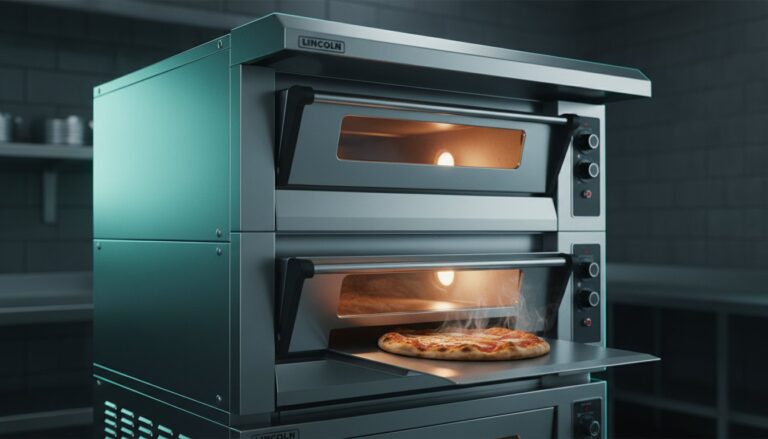
What if your kitchen could handle a 40% surge in orders during the Friday night rush without a single plate sent back for being unevenly cooked? You likely already know that maintaining high standards when every table is full feels like a delicate balancing act. It’s frustrating to watch energy bills climb while your staff struggles with equipment that slows down your service. Lincoln Impinger Ovens are designed to solve these exact pains by bringing professional precision to your line. You deserve a kitchen partner that works as hard as you do to welcome every guest with a perfect meal.
In this guide, you’ll discover how Lincoln Impinger ovens utilize advanced air impingement to deliver unmatched consistency, speed, and culinary versatility in high-volume commercial kitchens. We’ll show you how this technology can slash cook times by approximately 35% compared to traditional units while ensuring every dish meets your signature standard. This overview covers everything from reducing labor through automation to choosing a durable build that serves your community for decades.
Key Takeaways
- Master the science behind air impingement to eliminate cold spots and deliver the consistent, high-quality results your guests expect.
- Explore the 1100, 1400, and 3200 series to find the Lincoln Impinger Ovens that best fit your kitchen’s unique footprint and production goals.
- Unlock the full potential of your investment by learning how to cook everything from delicate salmon to hearty steaks with professional-grade speed.
- Use our expert checklist to evaluate gas versus electric options and ensure your utility setup supports a seamless and reliable culinary operation.
- Identify the exact belt size and chamber length required to handle your busiest peak hours while maintaining the high standards of your kitchen.
What is a Lincoln Impinger Oven? Defining the Industry Standard
When you step into a busy kitchen, the atmosphere is electric. You need equipment that matches your pace without sacrificing the quality your guests expect. Lincoln Impinger Ovens represent the pinnacle of this balance, serving as a cornerstone of the Welbilt family of professional equipment. These aren’t your standard conveyor units; they’re precision instruments engineered to deliver consistent results every single time a dish slides through the chamber.
To understand why these ovens lead the market, you have to look at The Science of Air Impingement. Instead of simply surrounding food with hot air, these units use high-velocity jets to strip away the cold boundary layer that typically surrounds cold food. This process accelerates heat transfer significantly. Many operators report cook times that are 25% to 35% faster than traditional deck ovens. This speed allows you to serve more customers without expanding your kitchen’s physical footprint, maintaining the warm hospitality your brand is known for.
The Evolution of the Conveyor Oven
The story of the modern pizza shop changed forever in 1982 when Lincoln introduced the first original Impinger. Before this innovation, chefs had to manually watch every pie, rotating them to avoid burnt edges. Lincoln shifted the industry toward a set it and forget it workflow. This transition hasn’t just improved speed; it has brought a level of automated precision that ensures a guest in Florida receives the same perfect crust as a guest in New York. Today, these units are designed to integrate seamlessly with other professional restaurant supplies, creating a cohesive ecosystem where technology supports your culinary vision.
Who Benefits Most from Lincoln Technology?
Lincoln technology isn’t a one-size-fits-all solution, but it is the backbone of any high-volume commercial kitchen. You’ll find these ovens in stadiums that need to pump out 200 pizzas per hour or in Quick Service Restaurants (QSR) where every second counts. Smaller operators aren’t left behind, though. Lincoln offers small-footprint solutions like the Countertop Impinger (CTI) series. These are perfect for local bars or coastal cafes that want to offer high-quality hot food without the need for a massive ventilation hood or a full-sized oven bank.
- Consistency: The conveyor speed and temperature stay locked, removing human error.
- Versatility: You can cook everything from breakfast sandwiches to baked pasta.
- Reliability: Built with the integrity expected from the Welbilt family, these machines are designed for 24/7 operation.
Choosing a Lincoln oven means you’re investing in a partner that understands the stakes of your business. It’s about more than just equipment; it’s about providing a reliable foundation so you can focus on the people and the community you serve.
The Science of Air Impingement: How It Works
Understanding the technology behind Lincoln Impinger Ovens starts with a phenomenon called the “cold halo.” In a traditional oven, a stagnant layer of cool air naturally surrounds your food, acting as a thermal barrier that slows heat transfer. Air impingement technology solves this by using high-velocity jets of pressurized hot air. These jets, delivered through specialized “fingers,” blast away that insulating layer. This direct contact allows heat to penetrate the food instantly, accelerating the cooking process by 200% to 400% compared to standard convection models. It’s about precision. The engineering behind these systems ensures that the heat doesn’t just sit in the chamber; it works actively to transform the product.
This method is more than just fast; it’s remarkably efficient. Because the heat is focused exactly where it’s needed, less energy is wasted warming the surrounding kitchen environment. This precision was a major factor in Revolutionizing the Pizza Industry, as it allowed businesses to scale without sacrificing the quality of their bake. When you’re looking to upgrade your kitchen, choosing the right professional equipment setup ensures your team stays ahead of the curve. Reliability is our standard. By reducing cook times from 15 minutes down to 5 or 6 minutes, you increase your throughput without adding a single square foot to your footprint.
Understanding Thermal Columns
The “fingers” inside the oven create vertical columns of air that strike the product from both the top and bottom. You can customize these finger configurations to match your specific menu needs. For example, a heavy bake on the bottom creates a crispier crust for thin-crust pizzas, while gentle air from the top keeps proteins like chicken wings juicy and tender. This targeted approach ensures that 100% of your dishes come out with a perfect, even browning that manual rotation simply can’t match.
Consistency Through Automation
Consistency is the heartbeat of any successful kitchen, especially during a Friday night rush. Lincoln Impinger Ovens remove the human error variable by utilizing variable speed conveyor belts and precise digital temperature controls. Once you set the parameters, the oven does the heavy lifting. This means a pizza cooked at 2:00 PM will look and taste exactly like one prepared during the 8:00 PM rush. You maintain high standards without needing extra labor to constantly monitor the oven door.
Navigating the Lincoln Lineup: 1100, 1400, and 3200 Series
Selecting the right equipment is a lot like finding the perfect home for your business; it requires a balance of current needs and future dreams. Lincoln Impinger Ovens offer a modular path that respects your kitchen’s physical limits while maximizing its potential. Whether you are running a coastal snack shack or a high-traffic metropolitan pizzeria, the lineup provides a clear hierarchy of power and size. One of the most significant advantages across these tiers is the ability to stack units. You can start with one oven and eventually stack up to three, tripling your production capacity without expanding your floor footprint by a single inch.
The 1100 Series: The Compact Workhorse
The 1100 Series serves as a reliable partner for medium-volume shops that require versatility. These units feature an 18-inch wide conveyor belt and a 28-inch long baking chamber, delivering 40,000 BTU for gas models. The standout feature is the digital “FastBake” technology, which utilizes advanced air flow patterns to reduce cook times by up to 35% without increasing noise levels. For a standard 12-inch pizza with a 5.5-minute bake time, a single 1100 series unit produces approximately 45 pizzas per hour. It is a sophisticated solution for kitchens that value precision over raw mass.
The 1400 & 1600 Series: High-Volume Power
When your operation runs 24/7 and demand never dips, the 1400 and 1600 Series become essential. These industrial-grade machines feature a massive 32-inch wide conveyor belt, allowing you to run two large pizzas side-by-side or manage extra-large specialty pies. With a 40-inch baking chamber and 120,000 BTU output, these ovens are built for relentless throughput. To maintain a seamless workflow, professional operators often pair these high-output Lincoln Impinger Ovens with high-capacity commercial refrigerators nearby. This ensures your prep team can keep the 32-inch belt fully loaded during peak rushes without breaking their stride.
Countertop Models: Big Tech in Small Spaces
The 2500 series brings professional impingement technology to kiosks, sandwich shops, and bars where space is at a premium. These units are surprisingly capable, featuring a 16-inch belt and a 20-inch chamber. Many “Select” kitchens choose these for specialty appetizers because they offer ventless options that meet UL 710B standards. This means you can install them in non-traditional spaces without expensive hood ventilation systems. They typically run on standard 208V or 240V electrical connections, making them as easy to install as they are to operate. They provide the same consistent bake quality as their larger siblings, just in a package that fits on a standard prep table.
Beyond Pizza: Maximizing Your Impinger Oven ROI
While many operators categorize Lincoln Impinger Ovens as strictly pizza equipment, this narrow view leaves significant profit on the table. These units function as high-speed convection powerhouses that handle everything from delicate proteins to heavy appetizers with surgical precision. By utilizing the patented air curtains, you ensure that heat penetrates the food without drying it out, which is vital for maintaining juice in high-value meats.
Achieving a 165-degree internal temperature for chicken or a perfect sear on Atlantic salmon becomes a repeatable process rather than a guessing game for your line cooks. In high-volume coastal kitchens, operators have reported a 22% increase in protein throughput when moving away from traditional stovetops or standard ovens. The conveyor system ensures every steak and fillet receives the exact same caloric transfer, eliminating the “hot spot” variables that plague traditional kitchens.
- Toasting and Finishing: Sandwiches, nachos, and hot appetizers benefit from the focused top-down heat.
- Consistent Melt: Cheese-heavy dishes achieve a uniform bubble and gold color that hand-fired salamanders simply cannot match.
- Timing: The conveyor belt acts as the metronome of your kitchen, setting a steady pace that prevents bottlenecks during the dinner rush.
Expanding Your Menu with Impingement
Breakfast service offers a massive opportunity for ROI. You can cook 50 slices of bacon to a uniform crispness in a fraction of the time it takes on a flat top. Seafood, particularly shrimp skewers and scallops, thrives under the gentle but fast air because the exterior seals quickly, locking in moisture. Your kitchen can achieve a perfectly crisp, juicy result with a 4-minute cook time for jumbo chicken wings, demonstrating how these units redefine menu versatility.
Workflow and Labor Savings
The beauty of Lincoln Impinger Ovens lies in their ability to reduce the need for highly skilled oven tenders. You don’t need a veteran chef to watch a timer; you need a team that can load the belt and plate the finished product. This automation allows your staff to focus on complex prep work and genuine Southern hospitality. To ensure your prep keeps pace with this speed, consider integrating high-volume equipment like those found in our Hobart Mixers guide for superior dough and sauce production.
By treating the conveyor as a primary timing device, you streamline the entire line. This creates a calm, competent environment where 95% of your menu items are cooked to the exact same standard every single time. If you are ready to modernize your kitchen flow, view our current inventory at Southern Select to find the right fit for your facility.
Selecting Your Lincoln Oven: A Buyer’s Checklist
Choosing the right equipment is a pivotal moment for any kitchen owner. It’s about finding a partner that works as hard as you do during a Saturday night rush. When you evaluate Lincoln Impinger Ovens, start with your utility footprint. Gas models typically offer lower long-term operating costs in areas where natural gas prices are stable, but they require a permanent gas line connection. Electric models provide a versatility that many smaller bistros prefer for their simpler setup. You should also audit your peak hour throughput. If your kitchen produces 50 to 80 pizzas in a 60-minute window, a 32-inch belt is your baseline for maintaining speed and quality without creating a bottleneck.
- Utility Costs: Compare local therm rates against kilowatt-per-hour pricing to see which energy source fits your monthly budget.
- Belt Size: Match your belt width to your largest menu item. A 12-inch pizza needs room to breathe, so a 16-inch or 18-inch belt is often the minimum for single-flow production.
- Serviceability: Ensure you have a local technician who stocks Lincoln-specific parts to avoid downtime.
- Financial Strategy: A new oven offers a full manufacturer warranty, while a certified refurbished unit can lower your entry cost by 30% to 45% if you’re working with a tighter capital budget.
Installation and Utility Considerations
Ventilation is your first hurdle. Gas models require a Type I hood system to manage combustion byproducts. If your space lacks heavy-duty ductwork, certain ventless electric Lincoln Impinger Ovens can save you between $2,500 and $5,000 in installation costs. Check your electrical panel for phase requirements; industrial units often demand 3-phase power and a 40-amp to 50-amp draw. Finally, always leave 6 inches of clearance on all sides. This space is vital for airflow and gives technicians the room they need to perform routine maintenance without moving the entire stack.
Why a Curated Equipment Strategy Matters
A kitchen is more than a collection of machines. It’s the heart of your business. Working with a partner who understands the nuances of Southern hospitality means you get advice that goes beyond a spec sheet. We believe in reliability and integrity, ensuring your equipment supports your staff rather than complicating their shift. These ovens are a key component of a modern commercial restaurant equipment plan designed for long-term growth. By choosing a curated setup, you’re investing in a seamless workflow that allows you to focus on the people you serve. Select the oven that scales with your ambition and provides the consistent quality your customers expect every time they walk through your doors.
Equip Your Kitchen for Consistent Growth
Choosing the right equipment is a pivotal moment for any culinary professional. Integrating Lincoln Impinger Ovens into your line ensures your kitchen delivers consistent results with every order, whether you’re utilizing the compact footprint of the 1100 Series or the high-volume output of the 3200 Series. By leveraging air impingement technology, you’ll achieve cook times that are significantly faster than traditional methods, allowing your team to focus on hospitality and quality. It’s an investment that builds a reliable foundation for your business to scale with confidence.
At Southern Select, we bring over 15 years of industry expertise to your table. As a family-owned and operated partner, we specialize in high-performance liquidations and new commercial equipment to ensure you find the perfect fit. Our team provides the expert guidance required to make your kitchen scaling seamless and dependable. We believe in treating every client like a neighbor, offering a curated experience that reflects our deep roots in the community. Explore our curated selection of Lincoln Impinger Ovens and let us help you find the professional solution your kitchen deserves. We look forward to supporting your continued success on the Gulf Coast and beyond.
Frequently Asked Questions
How long does a Lincoln Impinger oven take to cook a standard pizza?
A standard 14 inch thin crust pizza typically cooks in 5 to 6 minutes when your oven is set to 500 degrees Fahrenheit. This speed is roughly 2 to 4 minutes faster than traditional deck ovens. You’ll find that the consistent airflow ensures every slice reaches the perfect crispness. It’s a reliable way to keep your kitchen moving during a busy Friday night rush while maintaining that neighborly, high quality service your guests expect.
Can I stack Lincoln Impinger ovens to save space?
You can stack Lincoln Impinger Ovens up to 3 units high to maximize your kitchen’s floor space without sacrificing output. This vertical configuration allows you to triple your production capacity within the same 35 square foot footprint. It’s an expert solution for growing businesses that need to scale up their service while maintaining a tidy, efficient workspace. Your team will appreciate having everything within easy reach in a seamless, professional environment that feels organized and managed.
What is the difference between a Lincoln Impinger and a standard conveyor oven?
The primary difference lies in the high velocity jets of hot air that strip away the cold boundary layer surrounding your food. While a standard conveyor oven relies on slower radiant heat, Lincoln Impinger Ovens use pressurized air fingers to cook food 2 to 4 times faster. This advanced technology ensures a uniform bake every time. It provides the reliability your professional kitchen needs to serve high quality meals with true Southern hospitality and expert precision.
Do Lincoln Impinger ovens require a hood for ventilation?
Most models require a dedicated Type I or Type II ventilation hood to manage heat and moisture effectively. According to the International Mechanical Code Section 507, commercial cooking appliances must have grease-compliant exhaust systems unless they meet specific UL 710B ventless requirements. Our team recommends checking your local 2024 building codes to ensure your installation remains fully compliant. Proper ventilation keeps your kitchen comfortable and safe for your hardworking staff and your valued guests.
How often should I clean the fingers and conveyor belt on my Lincoln oven?
You should wipe down the conveyor belt daily and perform a deep clean of the air fingers every 7 days. Removing crumbs and grease prevents 85 percent of common heating inconsistencies and extends the life of your equipment. It’s a simple habit that ensures your hospitality stays top notch for every visitor. Taking these few minutes each day shows a commitment to excellence that your community will notice in every delicious bite you serve.
What happens if the conveyor belt stops moving during service?
If your conveyor belt stops, you should first check the 10 amp fuse and the drive motor’s connection. A jammed belt often results from 1 or 2 small debris items caught in the links. You can often clear these obstructions manually to get your kitchen back on track quickly. Having a trusted technician’s number handy ensures any technical hiccups don’t interrupt your warm service or the seamless experience you provide to your hungry clients.
Are Lincoln Impinger ovens energy efficient compared to deck ovens?
These ovens are approximately 15 to 30 percent more energy efficient than traditional deck ovens because they significantly reduce total cook times. The focused air technology minimizes heat loss, which keeps your kitchen cooler and lowers your monthly utility demands. It’s a smart, sustainable choice for any modern business owner. You’ll enjoy the balance of professional performance and lower operational costs in your daily management of a successful, coastal restaurant or local cafe.
Can I cook non-pizza items like steaks or seafood in a Lincoln oven?
You can successfully cook a wide variety of proteins including salmon fillets, chicken wings, and 8 ounce steaks in these versatile units. By adjusting the conveyor speed and finger mapping, you can achieve a perfect sear on seafood in under 5 minutes. This flexibility allows you to expand your menu beyond just pizza. It’s an excellent way to offer a diverse, coastal inspired menu that reflects the unique flavors and hospitality of our local region.