
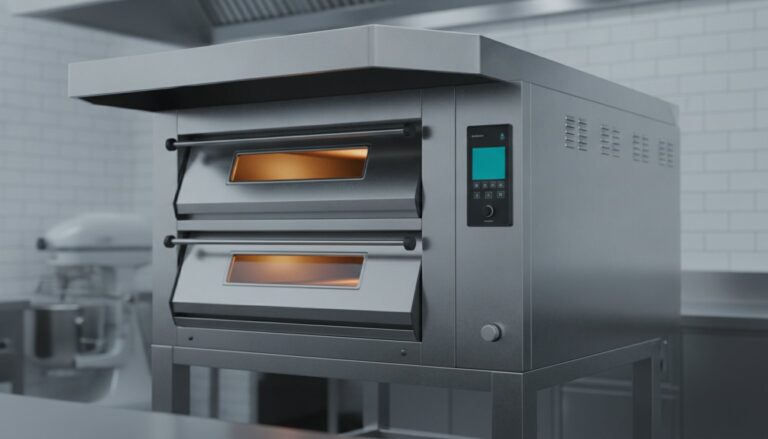
Buying a brand-new conveyor oven is often the most expensive mistake a growing pizzeria can make in 2026. You want the precision of an XLT or the high-volume throughput of a Lincoln, but the sticker shock of a factory-fresh unit can stall your expansion plans before the first dough ball is even rolled. It’s natural to feel uneasy about the reliability of used commercial pizza ovens or the potential headache of sourcing parts for an older model. You shouldn’t have to choose between your budget and your peace of mind.
We believe that professional equipment should feel like a handshake, not a gamble. In this guide, you’ll discover how to source pre-owned, high-performance machinery that offers the same reliability as a new machine at a 30% to 50% discount. We will walk you through the updated 2026 NSF safety standards, identify which tier-1 brands like EDGE and XLT truly stand the test of time, and show you how to establish a relationship with an equipment partner who treats your kitchen like their own home. It’s time to scale your business with confidence and a touch of Southern hospitality.
Key Takeaways
- Learn how to leverage the “depreciation hedge” to acquire elite brands like XLT and Lincoln at a 30-50% discount without sacrificing reliability.
- Identify the ideal oven technology for your specific volume needs, contrasting the artisanal touch of deck ovens with the high-speed consistency of conveyor systems.
- Master a professional inspection checklist for used commercial pizza ovens, including the “sound test” for motors and a deep dive into high-wear components.
- Navigate the technical requirements of gas and electric models to ensure your facility’s voltage and fuel lines are ready for a seamless installation.
- Discover why a curated partnership offers more security than equipment auctions, providing the expert guidance and integrity your business deserves.
The Strategic Value of Used Commercial Pizza Ovens for Professional Kitchens
High-performance kitchens aren’t built on luck; they’re built on reliable machinery. When we discuss used commercial pizza ovens, we aren’t referring to discarded relics from a failed bistro. We are talking about professional-grade assets that have already proven their worth on the line. These machines are engineered for the rigors of 14-hour shifts. A well-maintained pre-owned unit can often outlast a brand-new, budget-tier alternative while delivering more consistent results. It’s about finding the right tool for your specific craft.
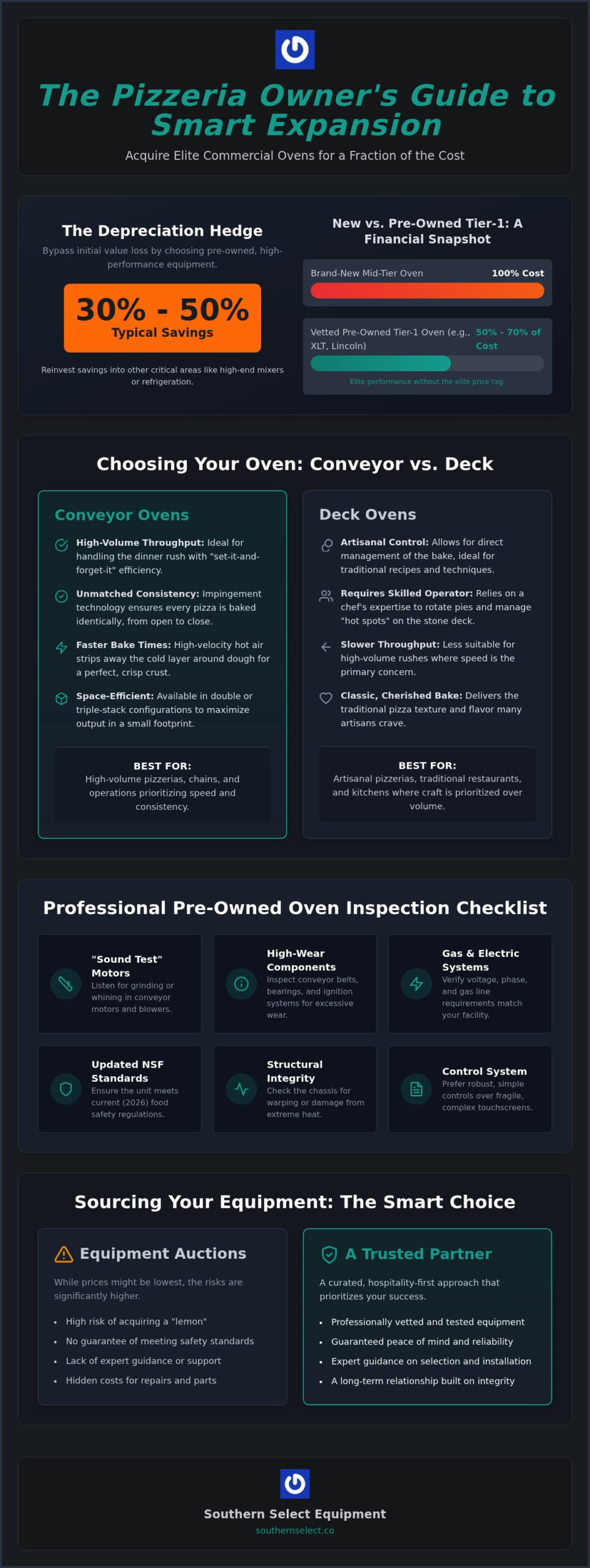
The “Depreciation Hedge” is a powerful tool for your business growth. Just like a luxury vehicle, a new conveyor oven loses a significant chunk of its value the moment it is installed. By choosing high-performance, pre-owned equipment, you bypass that initial financial hit. This strategy allows you to secure a tier-1 brand like XLT or EDGE for a fraction of the cost. It gives you elite performance without the elite debt. We believe in being smart stewards of your capital so you can focus on your dough and your guests.
Sourcing matters just as much as the machine itself. While generic auctions might offer the lowest price, they rarely offer peace of mind or a neighborly handshake. We believe in a hospitality-first approach where equipment sales are treated as a long-term partnership. A trusted partner ensures the oven meets modern safety standards and helps you understand the different types of commercial pizza ovens available for your specific workflow. This curated approach removes the “lemon” factor from the equation.
Why High-Volume Brands Like XLT and EDGE Retain Excellence
Brands like XLT and EDGE are the gold standard for a reason. Their chassis are constructed from heavy-duty stainless steel that resists warping under extreme heat. These manufacturers prioritize robust, simple control systems over fragile touchscreens that can fail in a humid kitchen. Because these brands are industry staples, parts are readily available. Technicians across the country know how to service them, ensuring your used commercial pizza ovens stay operational for years to come.
New vs. Pre-Owned: A Financial Perspective for 2026
In 2026, the ROI on a used top-tier Lincoln Impinger often far exceeds that of a new mid-tier model. The savings you realize can be strategically reinvested into other critical areas of your operation. For instance, the capital saved on your oven could fund high-end Hobart mixers or upgraded refrigeration. While you should account for minor initial maintenance, the total cost of ownership for a vetted, used machine remains significantly lower over the long haul. It is a win for your kitchen and your bottom line.
Evaluating Commercial Pizza Oven Types: Conveyor vs. Deck
Choosing between a conveyor and a deck oven is like choosing between a dependable freight train and a custom sports car. Both have their place, but your choice depends entirely on the soul of your pizzeria. Deck ovens offer that classic, artisanal control that many traditionalists crave. However, for a professional kitchen managing a dinner rush, the “set-it-and-forget-it” efficiency of conveyor technology is often the smarter play. When you’re scouting used commercial pizza ovens, understanding this fundamental difference in workflow is your first step toward a successful installation.
High-volume environments almost always favor conveyor technology because it removes the human error from the baking process. A deck oven requires a skilled operator to rotate pies and manage “hot spots” on the stone. In contrast, a conveyor ensures that the hundredth pizza at 8:00 PM looks and tastes exactly like the first one at 11:00 AM. This consistency is powered by impingement technology, a revolution that uses high-velocity jets of hot air to strip away the cold boundary layer surrounding the dough. This results in faster bake times and a perfectly crisp crust that deck ovens struggle to match at scale.
Floor space is another critical factor. Most professional kitchens are tight on square footage, which is why stacking is such a vital strategy. You can find used commercial pizza ovens in single, double, or even triple-stack configurations. This allows you to triple your output without expanding your footprint. When planning your layout, it’s essential to consult OSHA safety requirements regarding heat clearance and proper ventilation to keep your staff safe and comfortable. If you’re feeling overwhelmed by the technical specs, our experts at Southern Select Equipment are happy to help you find the right fit for your floor plan.
Conveyor Ovens: The High-Volume Workhorse
Used XLT and Lincoln ovens are the backbone of the modern pizza industry. They ensure uniform bake times across hundreds of pies, allowing your staff to focus on prep rather than watching the clock. For locations in malls or airports where traditional ductwork is impossible, ventless conveyor options provide a seamless solution. These machines are incredibly easy to teach; a new hire can learn to operate a Lincoln Impinger in minutes, whereas mastering a deck oven can take months of practice.
Deck Ovens: For the Artisanal Pizzeria
If your brand is built on a specific, old-world crust style, the thermal mass of a stone deck is irreplaceable. Brands like Bakers Pride dominate the pre-owned market because their heavy stones hold heat beautifully, even when the doors are frequently opened. When vetting a used deck oven, pay close attention to the gas burners or electric heating elements. While they have fewer moving parts than a conveyor, ensuring the stones aren’t cracked and the thermostats are calibrated is vital for maintaining your signature bake.
Gas vs. Electric: Choosing the Right Power Source for Your Facility
Before you bring those used commercial pizza ovens into your kitchen, you’ve got to ensure your facility is ready to feed them. Choosing between gas and electric isn’t just about the hookup; it’s about your long-term rhythm and bottom line. We want to make sure you aren’t surprised by a utility bill or an expensive rewiring project after your equipment arrives. Your power source dictates your recovery time, your monthly overhead, and even where you can physically place the oven in your shop.
Operating costs are usually the first thing on a business owner’s mind. Natural gas models generally offer a lower cost per hour in many regions, especially when compared to the high peak-hour electricity rates found in coastal communities. Understanding modern energy efficiency standards helps you calculate whether the lower upfront cost of an older electric unit will eventually be eclipsed by your monthly utility bill. Beyond the cost, gas ovens provide a faster recovery time. When you’re sliding pie after pie into the chamber during a heavy Friday night rush, that rapid heat recovery ensures your crust stays crisp and your customers stay happy.
We always recommend a professional inspection of your infrastructure before installation. For gas units, this means verifying your line’s pressure and capacity. For electric, it’s about the NEMA plug configurations. It’s a common mistake to assume any large outlet will work, but matching the specific voltage and amperage requirements is vital for both performance and safety.
Natural Gas and Propane Considerations
If you’re looking at a double-stack conveyor oven, your BTU requirements will be substantial, often exceeding 100,000 BTUs per hour. You’ll need a gas line that can handle that volume without starving other equipment. When vetting older units, pay close attention to the pilot assemblies and gas valves. These components can wear down over time, and ensuring they’re in top shape is a hallmark of our “Select” quality standards. A well-maintained gas oven is a reliable partner that won’t let you down when the tickets start stacking up.
Electric Ovens and Infrastructure Needs
Electric used commercial pizza ovens are often the go-to for non-traditional spaces where gas lines aren’t feasible. However, you must check if your building provides 208v or 240v power. Running a 240v oven on a 208v circuit will lead to sluggish heat-up times and poor bake quality. We’ve seen an increase in ventless electric models, which are perfect for historic buildings or small kiosks. Just be sure to inspect the heating elements for any signs of sheathing cracks or hot spots, as these are the most common failure points in pre-owned electric machinery.
The Professional Inspection Checklist: Vetting a Used Pizza Oven
Vetting used commercial pizza ovens requires more than a quick glance at the price tag. It’s about looking under the hood to ensure the machine has been treated with the respect it deserves. When we guide our partners through an inspection, we look for the small details that signal a long life ahead. A well-maintained machine doesn’t just look clean; it sounds right. You should perform a “sound test” by powering on the conveyor and blower motors. Listen for a consistent, smooth hum. Any grinding, clicking, or high-pitched whining usually points to worn bearings or a motor on its last legs. These are the sounds of future downtime you want to avoid.
Beyond the noise, your eyes should hunt for the manufacture date and serial number. These stickers are typically found on the side or rear of the unit. This information is your lifeline for parts sourcing. If a machine is too old, finding a replacement control board or a specific blower motor can become a scavenger hunt that leaves your kitchen cold. We always look for visual cues of abuse, such as scorched exterior panels or heavy grease buildup near the electrical vents. These suggest the previous owner skipped routine maintenance, which often leads to deeper, hidden issues. If you want to skip the guesswork and secure a machine that has already passed our rigorous vetting process, explore our current inventory of used commercial pizza ovens today.
Mechanical and Electrical Components
Start by inspecting the conveyor belt tension. A belt that is too loose will slip, while one that’s too tight puts unnecessary strain on the drive motor. Check the drive chain health; it should be lightly lubricated and free of rust. Moving to the electronics, examine the control board while the unit is running. Look for “ghosting” or fading in the digital display, which often precedes a total board failure. Finally, test the blower motors. They should reach full RPMs quickly and maintain a steady airflow without vibrating the entire chassis.
Structural Integrity and Sanitation
In an impinger oven, the “fingers” are the secret to a perfect bake. Pull them out and check for heavy carbon buildup or physical warping. If these are damaged, your airflow will be uneven, leading to those dreaded cold spots in your crust. For those looking at deck ovens, the door seals and hinges are critical. A leaky seal allows heat to escape, forcing your burners to work harder and driving up your utility costs. Lastly, evaluate the exterior stainless steel. While minor scratches are expected, deep pitting or corrosion can harbor bacteria and may eventually compromise the structural integrity of the oven.
Scaling Your Kitchen with Southern Select Equipment: A Partnership in Performance
Scaling your pizzeria is a high-stakes journey that requires more than just a line of credit; it requires a strategy. You shouldn’t have to leave your success to the luck of the draw at a generic equipment auction where history is hidden and support is non-existent. While auctions might offer a low entry price, they lack the expert curation and personalized service that a growing business needs to thrive. We believe in bridging the gap between high-end performance and your budgetary reality by offering a selection of used commercial pizza ovens that have been hand-picked for their durability and “gold standard” status. At Southern Select Equipment, we give you the tools of a tier-1 kitchen without the burden of tier-1 debt.
Choosing a partner like Southern Select Equipment means you’re not just buying a machine; you’re gaining a guide. We treat every equipment sale as a long-term partnership, rooted in the same integrity and hospitality you show your own guests. Whether you are opening your first location or expanding your footprint, our goal is to provide you with the machinery to produce a consistent, high-quality product every single time. Our expertise extends across all your commercial restaurant equipment needs, ensuring your entire line is as robust as your ambition. We take the time to understand your volume needs so you don’t end up with an oven that’s too small for your rush or too large for your utility budget.
Beyond the Oven: Equipping the Full Pizzeria
A great bake starts long before the pizza hits the conveyor. To achieve that signature crust your customers love, you need a unified equipment strategy that addresses every stage of production. This begins with a reliable Hobart mixer to handle your high-volume dough production with ease and longevity. Once your dough is mixed, proper proofing requires high-performance commercial refrigerators to maintain precise temperature control. When your mixer, refrigeration, and used commercial pizza ovens work in harmony, you create a seamless workflow that protects your product quality and your staff’s productivity. This holistic approach is what separates a good kitchen from a legendary one.
The Southern Select Equipment Promise of Quality
Every piece of heavy-duty machinery in our inventory undergoes a rigorous vetting process that far exceeds the industry standard. We don’t just “flip” equipment; we ensure each XLT, EDGE, or Lincoln oven meets our strict internal standards for mechanical performance and sanitation. This commitment to excellence has allowed us to build a national reach, serving professional kitchens with the same neighborly care we’d give our next-door neighbor. We invite you to experience the difference that expert curation and Southern hospitality can make for your bottom line. Explore our current selection of professional pizza ovens and equipment.
Invest in Your Kitchen’s Long-Term Success
Building a successful pizzeria requires equipment that can keep up with your ambition. You’ve learned how the depreciation hedge allows you to secure top-tier conveyor technology at a fraction of the new-machine price, and you now have the professional framework to vet used commercial pizza ovens with confidence. From listening for the smooth hum of a blower motor to verifying serial numbers for future parts sourcing, these small steps protect your investment and your peace of mind. A reliable oven is the heart of your kitchen, and choosing the right one shouldn’t feel like a gamble.
We pride ourselves on being specialists in XLT, EDGE, and Lincoln brands, offering a hospitality-driven approach that treats your business like family. With our national shipping on all heavy-duty commercial machinery, you can access curated, high-performance tools no matter where your shop is located. We invite you to View Our Curated Selection of Professional Pizza Ovens and see how a steady partnership can transform your workflow. You have the vision to create something special; we’re here to provide the reliable heat that makes it happen.
Professional Buyer’s FAQ: Used Commercial Pizza Ovens
What are the best brands for used commercial pizza ovens?
XLT, EDGE, and Lincoln Impinger ovens are widely considered the gold standard for the pre-owned market. These manufacturers build their machines with heavy-duty stainless steel and robust control systems that outlast budget-tier alternatives. Because these brands are industry staples, you won’t struggle to find replacement parts or qualified technicians. Sticking with these tier-1 names ensures your kitchen maintains a consistent bake even during the highest volume shifts.
How much can I save by buying a used conveyor pizza oven?
You can typically save between 30% and 50% compared to the cost of a factory-fresh unit. This “depreciation hedge” allows you to acquire a premium brand that might otherwise be outside your budget. By sourcing used commercial pizza ovens through a curated partner, you avoid the steep initial value drop while still receiving a machine that delivers professional-grade reliability and throughput for your pizzeria.
Do used commercial pizza ovens come with a warranty?
Warranty coverage depends entirely on the seller, as most auctions sell equipment “as-is,” while professional distributors often provide limited guarantees. We believe equipment sales should be a partnership rather than a cold transaction. While factory warranties don’t usually transfer to second owners, a reputable partner will stand behind their vetting process. Always verify the specific terms of support before you sign any paperwork for pre-owned machinery.
What is the difference between a refurbished and a used oven?
Refurbished ovens have been deep-cleaned and had high-wear components replaced, whereas “used” ovens are often sold in their current state with only a basic functionality check. A refurbished unit typically undergoes a more rigorous vetting process, including belt reconditioning and motor testing. While the upfront cost for a refurbished machine is slightly higher, it offers a level of reassurance that helps you avoid unexpected maintenance headaches during your first month of operation.
Can I convert a gas pizza oven to propane?
Yes, most professional gas ovens can be converted to propane using a manufacturer-approved conversion kit. This process involves changing the orifices and adjusting the gas valves to account for the different pressure requirements of liquid propane. It is vital to have this work performed by a licensed technician to ensure safety and performance. Never attempt a “DIY” conversion, as improper settings can lead to uneven baking or hazardous carbon monoxide levels.
How long do commercial conveyor pizza ovens typically last?
High-end conveyor ovens from brands like XLT and Lincoln can easily last 15 years or more with diligent maintenance. Their longevity is rooted in simple, heavy-duty mechanical designs that are built for 24/7 industrial use. Routine tasks like cleaning the conveyor belt and blowing out the cooling fans are essential for reaching this lifespan. When you invest in a quality pre-owned machine, you aren’t just buying a temporary fix; you’re securing a long-term asset.
What electrical requirements should I look for in a used electric oven?
You must verify whether your facility provides 208v or 240v power, as these are the most common commercial standards. Running an oven on the wrong voltage will lead to sluggish heat recovery and poor bake quality. Additionally, check the specific NEMA plug configuration and the required amperage. It’s much easier to confirm your building’s electrical capacity before the oven arrives than to pay for an emergency panel upgrade after delivery.
How do I transport a double-stack commercial pizza oven safely?
Safely transporting a double-stack unit requires disassembling the ovens and moving them as individual modules. These machines are incredibly heavy and can be damaged by the vibrations of a standard trailer if not properly secured. We recommend using professional riggers or specialized equipment movers who understand the delicate nature of internal blower motors and control boards. For those managing their own logistics or warehouse staging, sourcing reliable used forklifts for sale Buffalo NY from United Lift LLC can streamline the process of moving heavy kitchen assets safely. Disassembling the stack also makes it much easier to navigate through standard kitchen doors and tight hallways.