
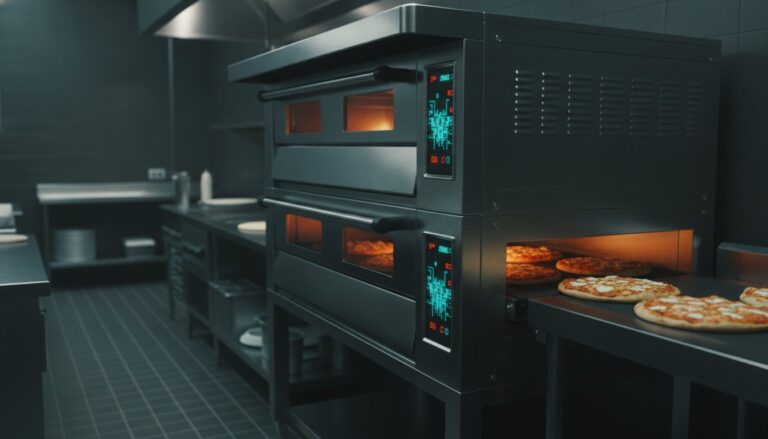
Imagine the Friday night rush where your kitchen is sweltering, orders are stacking up, and your best cook is stuck babysitting a deck oven just to prevent a charred crust. It’s a high-stakes dance that often leads to inconsistent results and an exhausted team. You understand that maintaining a perfect bake with modern commercial conveyor ovens is the heartbeat of your business. However, the manual labor and rising utility costs can often feel like a heavy burden on your hospitality goals. Consistency shouldn’t be a struggle.
This guide helps you master the technical and operational nuances of high-volume baking so you can reclaim your time and maximize your kitchen’s throughput. You’ll learn how to achieve hands-free cooking consistency and navigate the new 2026 energy mandates with confidence. We will walk through the latest innovations from trusted brands like XLT, EDGE, and Lincoln to ensure your equipment remains a reliable partner in your success. From ventless technology to integrated IoT monitoring, we’re providing the expert insights you need to build a kitchen that’s as efficient as it is welcoming.
Key Takeaways
- Learn how automated systems remove the human element to ensure your signature dishes are baked identically every single time.
- Compare the long-term operational costs of gas versus electric power sources to find the most efficient fit for your specific utility setup.
- Discover why industry leaders like XLT and EDGE are the preferred choice for kitchens that prioritize quiet operation and high-efficiency burners.
- Master the “pizzas-per-hour” metrics to select commercial conveyor ovens that allow you to increase capacity without expanding your kitchen’s footprint.
- Understand how expert vetting and professional-grade durability protect your business from the high costs of equipment downtime.
What are Commercial Conveyor Ovens and How Do They Work?
Think of What are Commercial Conveyor Ovens as the steady, reliable heartbeat of a busy kitchen. These units are continuous cooking platforms that use a motorized belt to guide food through a precisely controlled heated chamber. This design offers a seamless transition from raw dough to a perfectly golden crust without the need for a chef to rotate pans or check for hot spots. In high-volume pizza shops, sandwich chains, and large-scale catering operations, these machines are essential for maintaining a steady flow of orders during the dinner rush. They turn a complex baking process into a reliable, repeatable system.
The real value of this technology lies in removing the human element from the baking process. When your kitchen is pushing out hundreds of orders, you can’t afford the variability that comes with manual monitoring. By 2026, the industry has shifted its focus toward precision. Modern commercial conveyor ovens no longer rely on raw heat intensity alone. Instead, they prioritize sophisticated airflow management. This ensures that every item receives the exact same thermal treatment, providing a level of consistency that a manual deck oven simply can’t match. It’s about reliability you can trust, allowing your team to focus on hospitality rather than hovering over a timer.
Air Impingement Technology Explained
Most high-performance models today utilize air impingement to achieve superior results. This technology uses specialized fingers located above and below the belt to shoot high-velocity hot air directly at the food. This process strips away the cold boundary layer of air that naturally surrounds cold dough or toppings. It results in significantly faster bake times compared to traditional radiant heat. You can even adjust these fingers to customize the bake profile for different crust types. Whether you need a soft, airy finish or a crisp snap, the airflow is your most powerful tool.
Radiant vs. Infrared Conveyors
While impingement is the gold standard for high-volume pizza, other heat sources have specific uses. Radiant heat is best for melting cheese or simple toasting where deep penetration isn’t required. Infrared technology excels at high-speed surface browning, and it is often found in smaller countertop units. While impingement uses forced air to cook deeply and evenly, radiant heat relies on steady ambient warmth for gentle surface finishes. Choosing between them depends entirely on your menu’s specific needs and the volume of your kitchen. Understanding these differences ensures you select the right tool for your unique culinary goals.
Gas vs. Electric: Choosing the Right Power Source
Selecting the right power source for your commercial conveyor ovens is a decision that impacts your kitchen’s temperature, your monthly overhead, and your team’s ability to keep up with peak demand. Before you settle on a model, you must analyze your facility’s existing infrastructure. Many historic buildings or smaller storefronts may only support single-phase electricity, while high-capacity industrial units often require a three-phase connection. Similarly, if your kitchen isn’t already piped for natural gas or propane, the cost of running new lines can be a significant upfront investment. While specific energy efficiency standards help frame the conversation, the choice often comes down to your local utility rates and the specific volume of food you prepare daily.
Operational costs and recovery times are the two most critical factors for high-volume operators. Gas burners typically offer a faster thermal response when cold dough hits the belt, ensuring the temperature remains stable even during a non-stop Friday night rush. However, electric models are prized for their cleaner operation and precise digital control over individual heating zones. You should also consider your kitchen’s climate. Gas ovens naturally release more ambient heat and combustion byproducts, which may require more robust HVAC systems and expensive hood configurations. If you’re looking to find a balance between power and footprint, you can view our current selection of professional ovens to see which configuration fits your space best.
The Case for Gas Conveyor Ovens
Gas ovens remain the gold standard for kitchens running 18 or more hours a day. Brands like EDGE have revolutionized this space with modulating burners that control both gas and combustion air. This technology maximizes efficiency throughout the entire firing range. For instance, based on an oven temperature of 475°F, an EDGE 40 oven has an estimated operating cost of only about 74 cents per hour. These high BTU ratings ensure that your production speed never falters, even when your belt is fully loaded with heavy, cold toppings.
The Rise of High-Performance Electric Ovens
Electric technology has advanced rapidly to meet the Department of Energy efficiency mandate for commercial ovens, which takes effect on September 1, 2026. These modern units are often easier to install in non-traditional spaces, such as airports or malls, where gas infrastructure is prohibited. Lincoln Aperion models even offer ventless technology, providing incredible flexibility in your kitchen layout. These ovens provide pinpoint accuracy for delicate bakes, ensuring your building code compliance remains seamless while maintaining the high standards of your menu.
Top Brands for 2026: XLT, EDGE, and Lincoln
Choosing the right brand for your kitchen is about more than just a nameplate. It’s about finding a “bake signature” that complements your unique recipe. Every oven manufacturer uses a slightly different airflow pattern and heat distribution method. For 2026, three brands stand out for their reliability and performance in high-stakes environments. Whether you’re running a local coastal pizzeria or a national franchise, understanding these differences helps you make a choice that feels like a long-term partnership rather than just a transaction. We’ve curated a selection of commercial conveyor ovens that reflect our commitment to Southern hospitality and professional-grade durability.
Efficiency has become a primary focus as the industry moves toward stricter ENERGY STAR efficiency standards. In fact, certified gas and electric models are now roughly 27% more energy efficient than standard units. This shift isn’t just about meeting regulations; it’s about protecting your bottom line. By selecting a brand that prioritizes these modern metrics, you’re ensuring that your equipment remains an asset for years to come. We take pride in acting as your trusted local guide, helping you navigate these technical specifications to find the perfect fit for your community’s needs.
XLT: The Industry Standard for Durability
XLT has earned its reputation through a focus on simplicity and quiet operation. Their “Simple Quiet” design is a game-changer for open-kitchen concepts where you want to maintain a welcoming atmosphere for your guests. These ovens are built to last, backed by industry-leading warranties that offer peace of mind. One of the most practical features is the tool-less cleaning system. This allows your team to disassemble and clean the oven without a specialized toolkit, saving valuable labor hours every week. Of course, a great bake starts with great dough. If you’re looking to upgrade your entire production line, our Hobart Mixers guide provides expert advice on preparing the perfect foundation for your XLT oven.
EDGE and Lincoln: Specialized Performance
EDGE ovens are celebrated for their compact footprint and innovative modulating burners. These burners control both gas and combustion air to maximize efficiency across the entire firing range. This makes them an excellent choice for kitchens where floor space is at a premium but demand remains high. Lincoln remains the original pioneer of impingement technology. Their ovens are incredibly versatile, making them a staple for menus that go beyond pizza to include wings, appetizers, and toasted sandwiches. We choose to offer these specific brands because they provide the national reliability and support our clients deserve. When you invest in an EDGE or Lincoln unit, you’re getting a machine that’s been vetted for professional-grade, heavy-duty performance.
Operational Sizing: Single, Double, and Triple Stacks
Choosing the right scale for your kitchen is about more than just fitting a machine through the back door. It’s about planning for the busiest hour of your week. To find your ideal configuration, you must first calculate your peak Pizzas-per-Hour (PPH) metrics. If you’re pushing out 100 pizzas during a Friday night rush but your current setup only handles 60, you’re creating a bottleneck that frustrates both your staff and your guests. Modern commercial conveyor ovens offer a unique “Vertical Growth” advantage, allowing you to double or even triple your production capacity without sacrificing a single square inch of precious floor space.
Beyond simple volume, stacking provides incredible menu diversity. When you have multiple chambers, you can dedicate one belt to high-heat, fast-casual thin crusts while the other runs at a slower speed for deep-dish pies or toasted sandwiches. It’s a versatile solution that ensures every item on your menu is baked to its specific ideal profile. However, you must also consider the infrastructure required for these larger setups. Multi-stack configurations demand more robust ventilation and larger hood systems to manage the increased heat output. If you’re ready to scale your operation, you can browse our professional oven inventory to find the right stack for your volume.
When to Move from Single to Double Stacks
Identifying the right time to move to a double stack often comes down to labor efficiency. In many kitchens, one person can comfortably manage the loading and unloading of two belts. This means you can achieve a 50% increase in output without necessarily adding a second staff member to the oven station. From an ROI perspective, the revenue generated by those extra orders during peak hours often pays for the second unit much faster than most operators expect. If your prep team is constantly waiting for oven space, the bottleneck is clear, and it’s time to grow vertically.
Triple Stacking for High-Volume Franchises
Triple stacking is the ultimate solution for high-volume franchises and stadium concessions. Managing the heat output in a triple-stack environment is a professional challenge that requires careful planning with your HVAC specialist. These configurations are heavy, so it’s vital to consult with an expert to ensure your kitchen floor can support the concentrated weight of three industrial units. With specialized belt speeds, a triple stack allows you to run a “fast-lane” for your most popular items while maintaining dedicated space for appetizers like wings and garlic knots. It’s the pinnacle of industrial efficiency, delivered with the reliability your business depends on.
Expert Sourcing: Why Southern Hospitality Matters
Navigating the technical specifications of modern commercial conveyor ovens requires more than just a brochure. It requires a partner who understands the rhythm of your kitchen. At Southern Select, we bring a hospitable approach to the high-stakes world of equipment sourcing. We don’t just see a model number; we see the heart of your business. Our role as a Trusted Local Guide means we provide the insider knowledge you need to make a confident decision. Whether you’re operating on the Gulf Coast or managing a franchise across the country, our national reach ensures you receive premium service with a neighborly feel.
Every unit in our inventory is carefully vetted for professional-grade durability. We prioritize heavy-duty machinery because we know that equipment downtime is more than just a line item. It’s a disruption to your community. Our selection of commercial conveyor ovens represents the best the industry has to offer in 2026, focusing on longevity and industrial performance. By prioritizing integrity and expert management of our inventory, we help you build a kitchen that stands the test of time, ensuring you’re always in capable hands.
Beyond the Sale: Maintenance and Support
Investing in excellence means looking at the entire ecosystem of your facility. The value of working with a supplier who understands the nuances of commercial restaurant equipment cannot be overstated. A high-volume oven is only as effective as the prep area that feeds it. For instance, ensuring your high-output line is paired with reliable commercial refrigeration is essential for maintaining food safety standards during peak hours. We offer expert advice on national logistics and setup to ensure your transition is as seamless as possible.
Ready to Scale Your Kitchen?
The 2026 landscape for baking technology is defined by precision, energy efficiency, and reliable automation. As you look toward the future, we encourage you to prioritize quality and long-term reliability over the lowest initial price point. A well-chosen oven is a legacy piece for your business. It’s the foundation of your throughput and the key to your consistency. If you’re ready to elevate your production and secure the future of your kitchen, Contact Southern Select Equipment for a Professional Quote and let us help you find the perfect fit for your unique culinary goals.
Building Your High-Volume Legacy
Mastering the technical and operational nuances of commercial conveyor ovens is the first step toward a kitchen that runs with effortless consistency. We’ve explored how the latest air impingement technology removes the guesswork from your line, allowing your team to focus on hospitality rather than monitoring crusts. By choosing the right power source and stacking configuration, you ensure your business can handle the busiest Friday night rush while keeping utility costs under control. It’s about more than just equipment; it’s about building a reliable foundation for your culinary dreams.
At Southern Select, we act as your trusted guide, offering a curated selection of professional-grade machinery backed by national shipping and expert support. As an authorized dealer for XLT and EDGE, we provide the reliable equipment and hospitable service high-volume operators deserve. We’re here to ensure your investment leads to years of seamless production and community success. Your vision for a thriving, efficient kitchen is within reach, and we’re ready to help you make it a reality.
Browse Our Professional Conveyor Oven Inventory
Frequently Asked Questions
How long does a commercial conveyor oven take to preheat?
Most professional models require between 15 and 30 minutes to reach a stable operating temperature. Gas units often reach the desired heat slightly faster than electric versions because the burners provide immediate intensity. It is a good practice to start your preheat cycle before your team begins final dough preparation to ensure the baking chamber is fully saturated with heat for your first order.
Can I cook items other than pizza in a conveyor oven?
You can certainly use these ovens for a wide variety of menu items beyond pizza. They are excellent for toasting sandwiches, roasting chicken wings, and baking cookies or appetizers with total consistency. By adjusting the belt speed and temperature, you can create the perfect environment for different proteins and bakes, making the unit a versatile workhorse in any high-volume kitchen.
Do conveyor ovens require a specialized ventilation hood?
Most units require a Type I ventilation hood to manage heat and grease vapors, particularly if you are using gas-powered equipment. However, some modern electric commercial conveyor ovens feature ventless technology that can eliminate the need for expensive traditional ductwork. You should always verify your local 2024 NFPA 96 standards and building codes with a professional before finalizing your kitchen layout.
What is the average lifespan of an XLT or EDGE conveyor oven?
With consistent maintenance and daily cleaning, a high-quality XLT or EDGE oven typically lasts between 10 and 15 years. These brands are engineered for heavy-duty, professional use and are built to withstand the rigors of a 24-hour operation. Staying on top of belt tension and motor lubrication will help you protect your investment and ensure your equipment remains a reliable partner for the long haul.
How do I clean a conveyor oven belt properly?
Daily maintenance involves using a specialized wire brush to remove crumbs and debris while the belt is in motion. For a more thorough deep clean, many modern commercial conveyor ovens feature tool-less disassembly, which allows you to remove the belt and airflow fingers easily. Regular cleaning prevents carbon buildup that can negatively affect heat transfer and the flavor of your signature crusts.
Is a 3-phase electrical connection required for all electric conveyor ovens?
While some smaller countertop models can run on single-phase power, most high-volume electric ovens do require a 3-phase electrical connection. This configuration provides the steady, heavy-duty power needed to maintain high temperatures during a non-stop dinner rush. You should consult with a professional electrician to verify your building’s electrical capacity before you commit to a large-scale electric unit.
What is the difference between a belt oven and a deck oven in terms of quality?
The primary difference is the balance between automated consistency and manual artisanal control. A belt oven removes the human element, ensuring every item is baked identically without the need for a chef to rotate pans or check for hot spots. While deck ovens are often prized for an “old-world” char, modern impingement technology can replicate a high-quality, crisp crust while significantly increasing your production capacity.
How much clearance is needed around a commercial conveyor oven?
Most manufacturers recommend a minimum of 6 inches of clearance from combustible walls and other kitchen equipment. This space is vital for proper airflow, which cools the internal electronics and prevents the exterior of the machine from overheating. You should always check your specific model’s manual, as high-output triple stacks may require even more room to ensure your kitchen remains safe and efficient.